
Environment and Climate
Environmental justice work that started with a hometown clean-up
Susan Sapkota has turned Eco Justice Initiatives, the youth-led environmental justice effort he ran himself in Nepal, into a formally registered organisation, the Center for Economic Social and Climate Advancement, where he is Founder and Chairman.
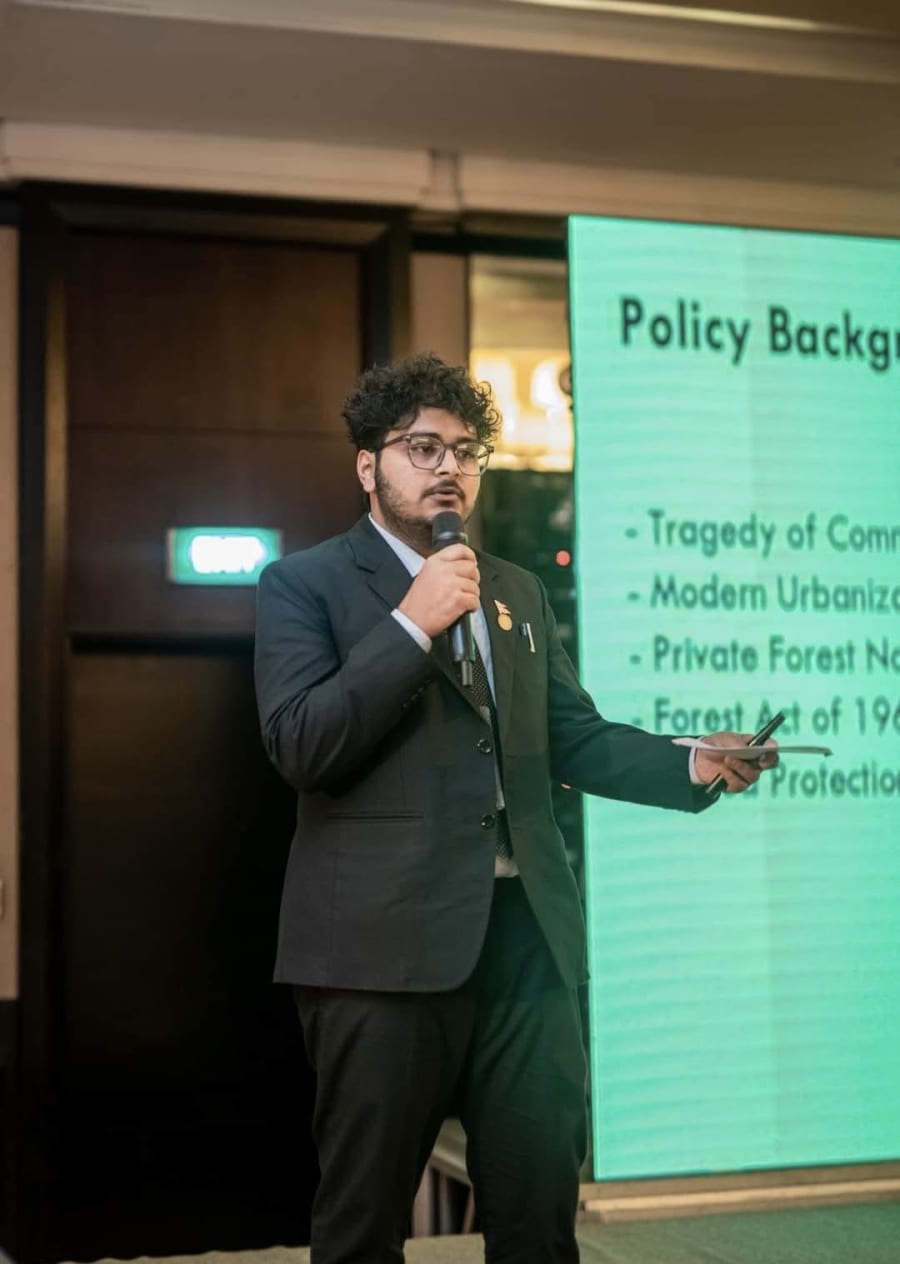
"Communities that contribute the least to environmental degradation are often the ones who suffer the most from its impacts," he says. Whether it is poor waste management, climate-related disasters, pollution or limited access to environmental education, the burden, he says, falls on marginalised communities and young people who have little influence over the decisions affecting their lives.
What he built first was Eco Justice Initiatives. Susan, of Kathmandu University, School of Law, describes it as a youth-led effort that connects environmental action with social justice, working with young people and local communities so that the voices of those most affected are heard and included in decision-making. Over the past few months it has become CESCA, the Center for Economic Social and Climate Advancement, a registered organisation where he serves as Founder and Chairman. That is the structure the work runs through now.
“Leadership is not about having all the answers; it is about having the courage to ask better questions, listen to those most affected, and turn hope into action.”
Susan Sapkota
It started when he was 12, through a local "Go Green, Go Clean" campaign in his hometown. Community clean-ups and awareness activities. "But it stayed with me and slowly shaped how I began to see my role in society," he says.
As he grew older his work spread across different districts of Nepal, where he engaged young people and communities on issues that connect environmental justice with sexual and reproductive health rights and broader questions of equity. Later he worked with The Green Connection in Cape Town, South Africa, on environmental justice work opposing fossil fuel expansion and advocating for community rights. "Being in that space showed me how similar struggles exist across very different geographies, and how grassroots resistance often carries the same language of dignity and survival," he says.
As part of the 3Dot Dash Global Teen Leader 2025 program through the We Are Family Foundation, he also took part in a Just Peace Summit.
"At this stage, Eco Justice Initiatives is growing from an idea and a series of community actions into a more structured platform," he says. So far it has engaged young people through awareness campaigns, community discussions and advocacy efforts. CESCA is that platform. He is now working to expand its reach and create more sustainable programs.