
Environment and Climate
Farming as an opportunity instead of a last resort
Wilhelminah Juma is the founder and CEO of Ecoville Clovers Africa, a social enterprise working with smallholder farmers and young people, and is preparing its first major field projects in Kitui County.
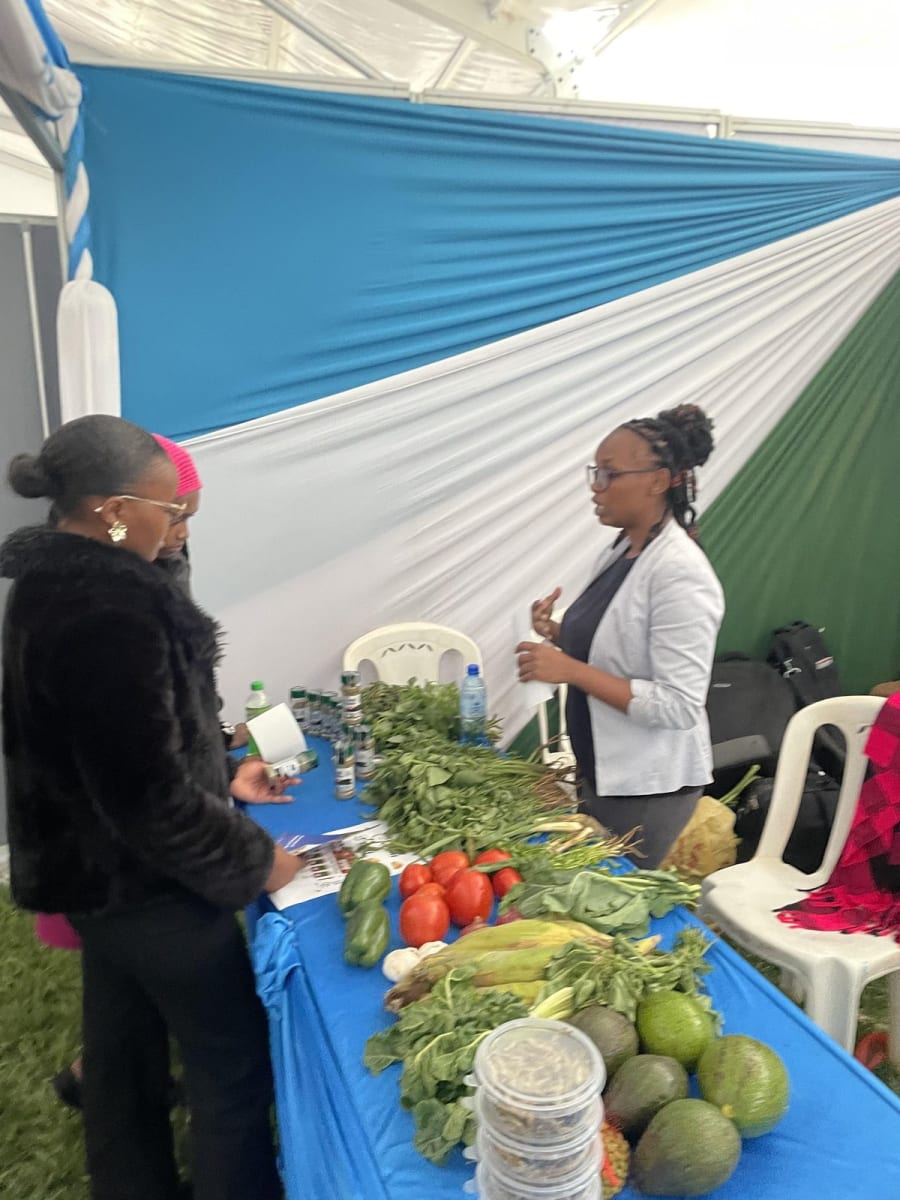
Most of Wilhelminah Juma's days go on writing proposals, meeting potential partners, talking to farmers, mentoring volunteers and, as she puts it, "figuring out how to keep moving forward with very limited resources." She calls it exciting and messy. "Every small win has taken persistence."
She is the founder and CEO of Ecoville Clovers Africa, a social enterprise working with smallholder farmers and young people to make agriculture "more profitable, climate-resilient, and attractive". It does that, she says, by connecting regenerative farming, environmental restoration, digital technology and entrepreneurship.
“It is about seeing a problem, choosing to care, and building with whatever you have until others begin to believe in the possibility too.”
Wilhelminah Juma
She did not start with funding, a large team or a perfect plan. "I started because I kept seeing the same problems around me and realized that waiting for someone else to solve them wasn't an option."
"Growing up and working with rural communities, I saw farmers who worked incredibly hard but earned very little," she says. Young people were losing hope in agriculture because they saw it as difficult work with few opportunities, while droughts, land degradation and declining productivity made farming more unpredictable. "I don't believe these problems should be solved separately. If we can restore ecosystems while creating decent livelihoods, then agriculture becomes an opportunity instead of a last resort."
Leadership, she says, "is not about waiting until you have everything you need to start."
For a long time there was no funding. Instead of giving up, she says, she invested in learning, studying subjects from climate innovation and social entrepreneurship through to fundraising and ecosystem restoration.
Today Ecoville brings together volunteers and professionals with expertise ranging from agriculture and technology to communications and operations. It is moving from ideas into implementation, building partnerships and preparing to launch its first major field projects, starting in Kitui County. There, she says, the aim is to demonstrate that climate-smart agriculture can improve food security, restore degraded landscapes and create economic opportunities for local communities. Digital tools for farmers are in the works too. "I believe technology should work for rural communities, not just cities."
"Although we are still an early-stage organization, we've reached a point where momentum is beginning to build," she says.
She is still, she says, at the beginning. But "every day I'm choosing to keep building".
A smaller project runs alongside it: turning indigenous vegetables into a seasoning, which lengthens their shelf life, cuts post-harvest losses and keeps their nutrition available for longer.