
Environment and Climate
800 seedlings raised for birthdays and remembrance
Olaniyi Racheal Olayinka, a forestry graduate in Ilorin, raised over 800 tree seedlings for an initiative that marks birthdays, celebrations and the remembrance of loved ones by planting a tree.
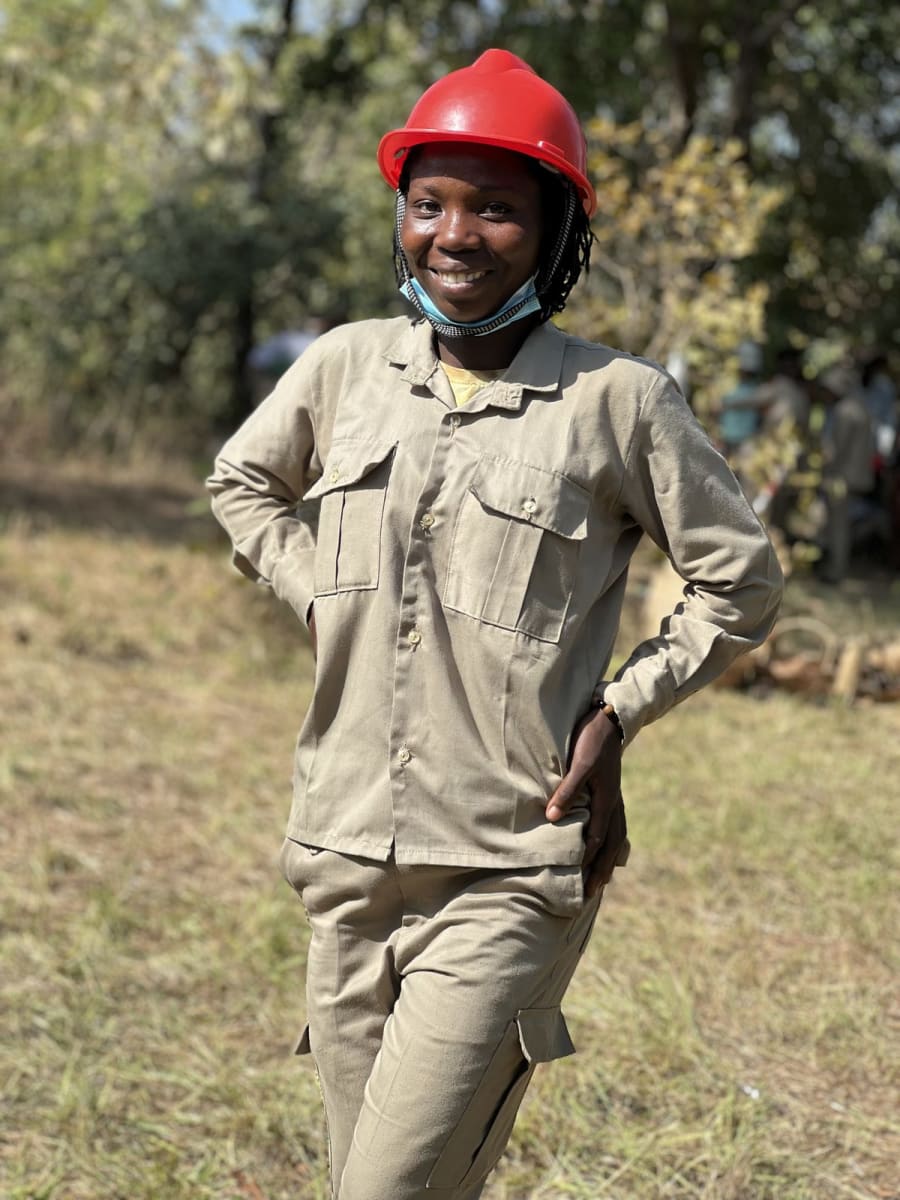
For Olaniyi Racheal Olayinka, environmental conservation is not an academic interest. It is a commitment to protecting nature, supporting communities and finding practical ways towards a greener future.
She is a graduate of Forestry and Wildlife Management from the University of Ilorin, and works on forest conservation, sustainable livelihoods and the part scientific research plays in environmental problems. She is Public Relations Officer of EcoGreenGems, a student-led organisation under the People, Climate and Livelihood Support Initiative, PeCaLiSI.
“I believe tree planting can become a lasting tradition where our celebrations also give something back to nature and contribute to a greener future.”
Olaniyi Racheal Olayinka
The clearest piece of it is the Tree Legacy Initiative, established under PeCaLiSI. Through EcoGreenGems, Racheal volunteered to raise over 800 tree seedlings. They were used to mark milestones: birthdays, celebrations, and the remembrance of people who had died. Some went to marginalised communities on the university campus, adding green space and starting restoration where there had been none.
Conservation, she took from it, does not have to begin with a large-scale project.
Her undergraduate research went in a different direction: biomarkers for detecting honey adulteration with sugarcane and date syrups, using multi-analytical approaches. It taught her the techniques for assessing whether honey is what it claims to be, and left her convinced that natural-resource work needs evidence behind it. "My research strengthened my understanding of environmental health and reinforced my belief that conservation and natural resource management should be guided by scientific evidence," she says.
Beekeeping connects the two. She has worked on hive baiting, harvesting, beeswax processing and awareness of honey adulteration, and she sees it as more than income. "Healthy forests support pollinators, while beekeeping can provide sustainable livelihoods and encourage communities to protect restored ecosystems," she says.
People are the centre of it. Communities depend on trees and forest resources for food, medicine, fuelwood and income, so conservation has to hold both the environment and the people who live off it. "I want to contribute to restoring the trees people depend on while creating opportunities that strengthen livelihoods, conserve biodiversity, and build climate resilience," she says.
Her message is two words: "Don't give up." Every contribution looks small on its own, and consistent action by individuals and communities is what adds up.