
Environment and Climate
Handing the camera to India's river communities
Pubarun Basu is building Dhara, a youth-led storytelling initiative that uses photography to help communities along India's rivers document their own relationship with water.
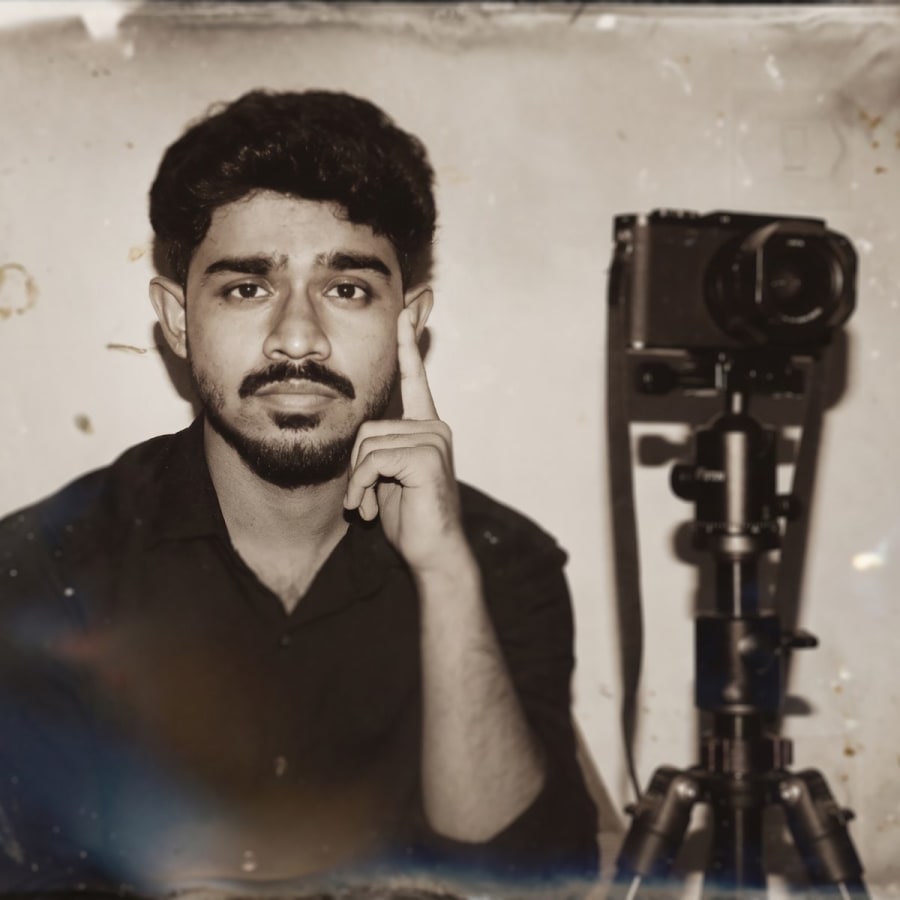
The Hooghly River in Kolkata is where Pubarun Basu grew up. It is also where the work started.
"Over the years, I watched its banks disappear, neighbourhoods change, and stories vanish long before anyone thought they were worth documenting," he says. "That became the starting point for my work."
“Water is a living archive of human memory and resilience; my purpose in the water industry is to bridge ecological science with visual storytelling, ensuring community voices shape global water governance and spatial justice.”
Pubarun Basu
The camera came early. "I was four years old when my father first placed a camera in my hands," Pubarun says. "We spent weekends photographing birds, neighbourhoods, festivals, and the changing banks of the Hooghly River. After he passed away, photography became more than a profession. It became the way I stayed connected to him and to the places that shaped both of us."
Today he is building Dhara, "a youth-led environmental storytelling initiative that uses photography to help communities document their relationship with water." Dhara works with students, researchers, artists, and people living along India's rivers to record disappearing landscapes, cultural traditions and the realities of climate displacement through participatory photography.
The idea came from travelling across India. "Communities experiencing climate change were almost always photographed, but they were rarely involved in shaping how those stories were told," Pubarun says. "I wanted to change that."
The work has gone to erosion-affected islands in the Ganga, indigenous communities in Meghalaya and farming pilgrimages in Maharashtra. Most recently it went to Kyrgyzstan, through the Youth Far From Borders programme.
Alongside the fieldwork, Pubarun recently developed an educational resource for the National Geographic Society on participatory photography and climate displacement, and now leads the Climate Mobilities Media Lab at Beyond Climate Collaborative. One question keeps returning: "how can photography become something communities use, instead of something that is done to them?"
The next step is building Dhara into an open platform where young people across South Asia can learn ethical storytelling, document their own environments, publish their work, and contribute to "a living archive of climate change from the perspective of those experiencing it every day."
"I don't think photography changes the world by itself," he says. "It changes who gets to participate in telling the story of the world."