
Environment and Climate
Bringing Rohingya refugee voices into climate justice conversations
Mohammed Faruq, a young Rohingya refugee from Myanmar living in Bangladesh, works with the Rohingya Environmental Protection Network to amplify refugee voices in conversations about climate justice.
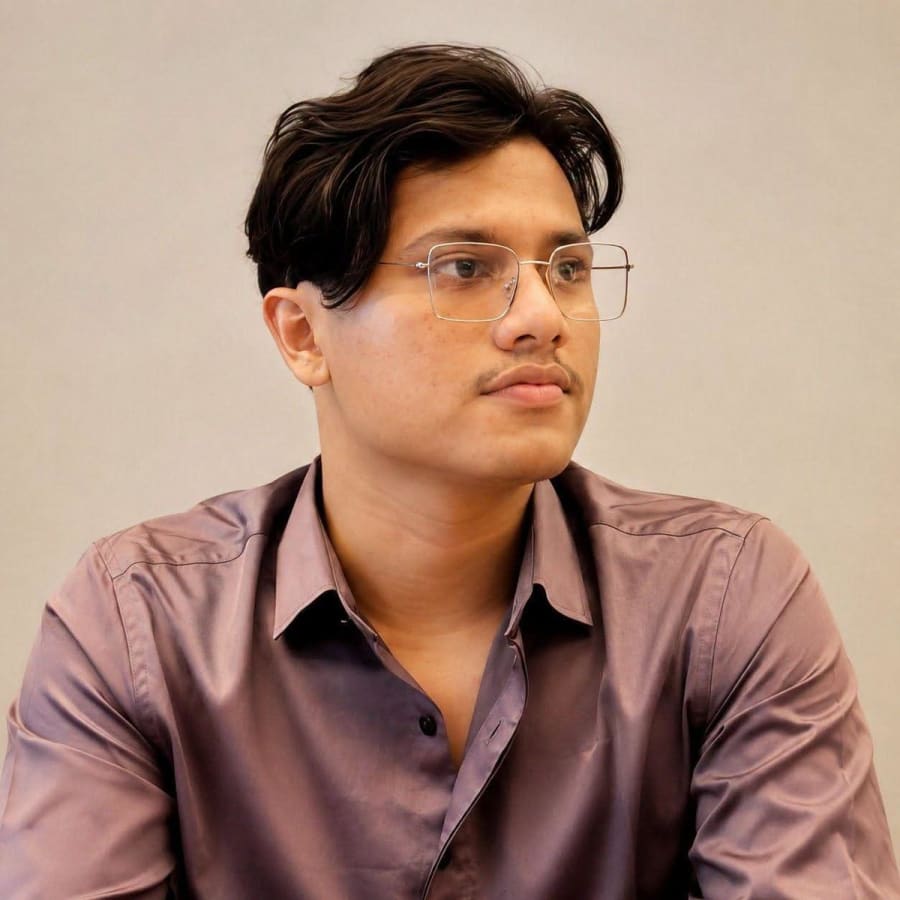
One question runs through Mohammed Faruq's account of growing up: "what can I do with the experiences I have been given?"
He is a young Rohingya refugee from Myanmar living in Bangladesh. The experiences came early. "Growing up as a refugee, I experienced displacement, uncertainty, and the feeling that my voice did not matter," he says.
“I believe displacement should never take away a young person’s ability to dream, lead, or create change.”
Mohammed Faruq
"For a long time, I believed that my identity would limit what I could achieve," Mohammed says. That belief shifted. Over time, he says, came the realisation that those experiences could become "a source of strength and purpose rather than a barrier."
Today the work runs through the Rohingya Environmental Protection Network (REPN), along with involvement in youth and environmental initiatives. Mohammed is working to amplify the voices of refugees and marginalized communities in conversations about climate justice, environmental sustainability, and youth leadership. "I believe that environmental justice and social justice are deeply connected," he says.
Living in vulnerable communities, he says, showed how environmental challenges affect people's daily lives, their health and their future opportunities. Environmental action, for him, is "about protecting communities and ensuring a better future for the next generation."
Young people are the other focus. "I understand what it feels like to have dreams that seem larger than the opportunities available around you," Mohammed says. "Because of this, I have dedicated myself to supporting and encouraging young people to believe in their own potential and ability to create positive change in their communities."
There is a point he wants made plainly. Rohingya refugees are not only people affected by climate change and displacement. "We also have knowledge, ideas, and young people who want to contribute to solutions," he says. What he hopes REPN can do is create more room for Rohingya young people to take part, to lead, and to be heard in the wider conversations about climate and the environment.
"I care about this work because it is personal," he says. "I also know how powerful it can be when someone believes in my potential."
The aim behind all of it is stated in one line: "I am working on becoming the kind of leader I once needed when I was growing up."
Mohammed does not claim to be finished. "I am still learning, growing, and building."
"I may not have many resources, but I believe young people can create meaningful change when they are given the opportunity to lead."