
Health & Wellness
Hand-washing lessons for 274 pupils against antimicrobial resistance
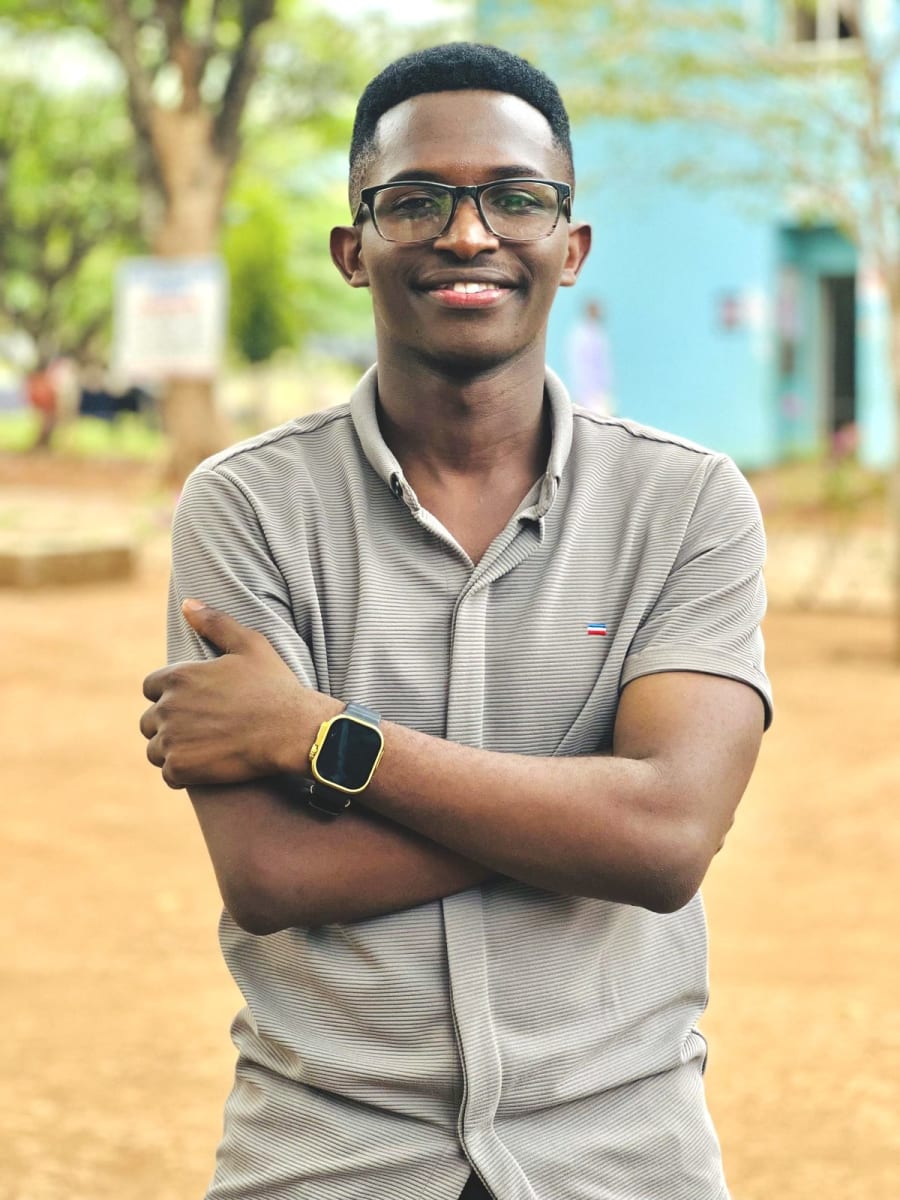
Joseph Mayenga's WASH4AMR project has taught more than 274 pupils in two schools that every infection prevented is one less chance for antimicrobial resistance to develop.
Students and teachers leave a WASH4AMR session knowing how to make soap from locally available, affordable materials. Joseph Mayenga built that in so that good hygiene continues "long after the project activities have ended and without relying on external donations or continuous funding," he says.
He is a student at KCMC University. WASH4AMR started, he says, from a gap: most public health campaigns about antimicrobial resistance focus on over-the-counter medication and self-medication, and say little about poor water, sanitation and hygiene. "We often discuss Antimicrobial resistance as a hospital or medication issue but many infections start long before someone reaches a clinic," he says.
“The world needs what we all have to offer”
Joseph Mayenga
Every infection prevented, he says, "is a reason less to use antimicrobials and one less chance for resistance to develop."
The project focuses on children aged 12 to 16, a group he says is often overlooked in conversations about antimicrobial resistance despite being at a critical stage of developing lifelong habits. It uses storytelling, role-playing and plays to turn complex health terms into memorable experiences, so that the children become advocates in their families and communities.
Phase one is done. He visited 2 schools, taught more than 274 pupils, and distributed 8 hand-washes and 5 buckets. Language proved a barrier for some pupils, he says.
"Instead of waiting for people to come as patients, it helps them to stay healthy in the first place," he says.