
Health & Wellness
Forty-two sleeping mats woven from 31,500 plastic bags
Matthew Tong started Bags to Beds, which turns used plastic bags into sleeping mats for the unhoused, and after 1.5 years it has produced 42 mats and kept more than 31,500 bags out of landfills.
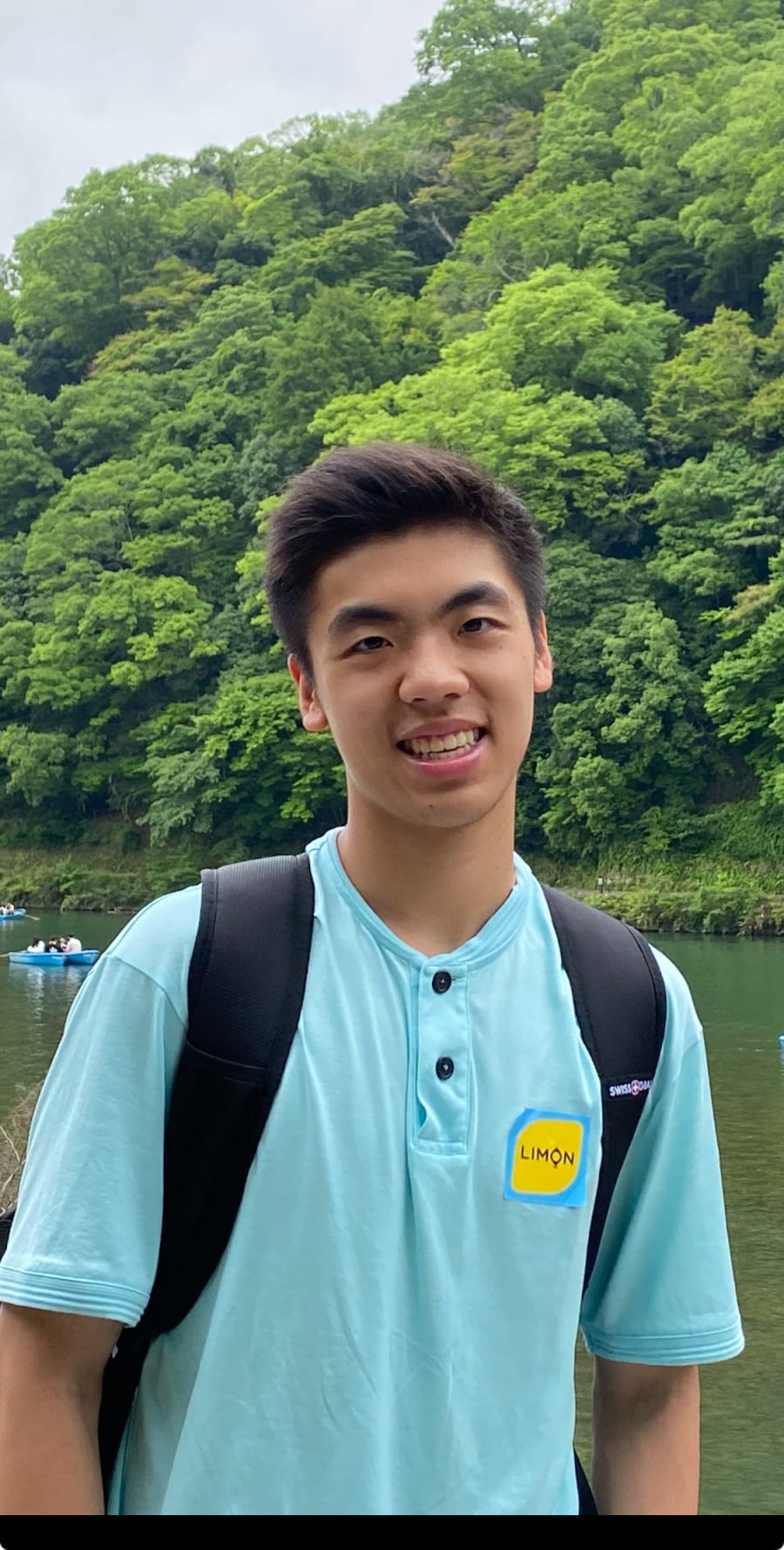
Matthew Tong first designed a blueprint for a wooden frame to hold a mat, then spent five hours in the woodshop making one. At regular sessions since, students cut plastic bags to size and weave them over and under every strand, packing each row down to the previous one so the finished mat is tight and waterproof.
This is Bags to Beds, which repurposes used plastic bags into sleeping mats for the unhoused. After 1.5 years, he says, over 261 students have contributed 1,757 service hours, producing 42 mats and diverting more than 31,500 bags from landfills. Each mat uses about 750 bags.
“As I lay there shivering, I kept thinking about the people sleeping outside every night in Toronto's harsh winters.”
Matthew Tong
It started with a night camping. In Toronto, he says, over 10,000 people face homelessness, many vulnerable to harsh winter conditions. "I felt powerless, until one night changed everything."
"While camping, I lay on the ground gazing at the stars as my mat self-inflated. Shivering and aching, I realized my sleeping mat was a lifeline," he says. That moment, he says, "sparked the birth of Bags to Beds."
The project has since expanded to four other Greater Toronto Area schools, partnered with UNIQLO to repurpose commercial bags, and donated mats to Covenant House, which he describes as the largest agency in Canada serving homeless youth. In February 2025, the first House Weave-a-thon competition drew 50 students. A Sleep-Out on school grounds put 35 or more students on cardboard in the cold for one night and raised more than $11,000 for Covenant House. In January 2026, 40 boarding students made mats over a weekend, and in March a kindergarten class of 17 five-year-olds weaved row by row.
It is now the largest in-house service opportunity at Upper Canada College, he says. He built an executive team of Grade 9 to 11 students, who run sessions and train new volunteers on their own.
He has just graduated from Upper Canada College and is heading to Harvard College. The next step, he says, would be building new frames for a new university chapter and for other high schools and universities nearby. "Each extra mat we make helps prevent an extra person from freezing on the streets and redirects an extra 750 bags from going to landfills."