
Environment and Climate
Turning mirror glass and metal rods into a livelihood
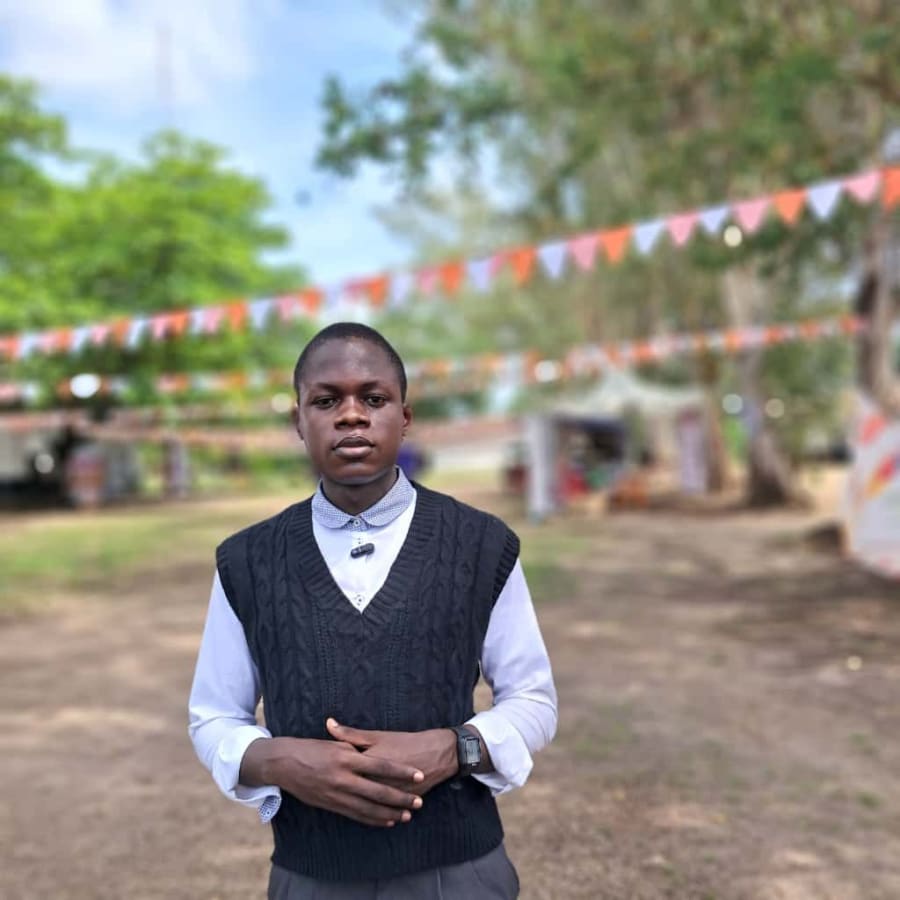
Hassan Ibrahim Bangura leads Creativity at Its Peak, a youth-led project in which participants, especially young women, learn to turn discarded materials into marketable products alongside training in entrepreneurship, financial literacy and climate change.
Mirror glass, serviette spoons and metal rods. Those are the discarded materials that participants in Creativity at Its Peak learned to transform into marketable products, he says. The project is a youth-led initiative he leads, funded by Global Youth Mobilization in partnership with the European Union. It was created to help young people, especially young women, develop practical skills that can improve their livelihoods while addressing environmental challenges in their communities.
The first phase is complete. Alongside the practical sessions, the team facilitated training in entrepreneurship, financial literacy and climate change. When they started, he says, the team "wanted to prove that young people can create solutions with the resources already around them."
“There's nothing new under the sun. Everything right now is oversaturated. Just be the best in what you're doing, and be passionate about it. Because that's what will set you aside from the majority at the end of the day.”
Hassan Ibrahim Bangura
"One of the most rewarding moments was watching participants proudly hold up something they had created with their own hands from materials that would otherwise have been considered waste," he says.
He names Njala University as his school. The work matters to him, he says, because "I have seen many talented young people struggle to find employment or the resources to turn their ideas into sustainable businesses." Equipping them with practical skills, he says, "is only the first step". What counts for him is what happens after the training ends, whether they can continue practicing, producing and earning an income.
Many of the trainees, he says, have the skills but lack the basic tools, materials and mentorship needed to turn them into thriving businesses.
"The challenge now is sustainability," he says.