
Environment and Climate
Honey from the mangroves, so the women who plant them get paid
Gabriel Itote Mwangi, a student at Pwani University, plants and protects mangroves in Takaungu, Kilifi County, and is building Beeyond Mangroves so the women doing that work can keep bees among the trees and sell the honey.
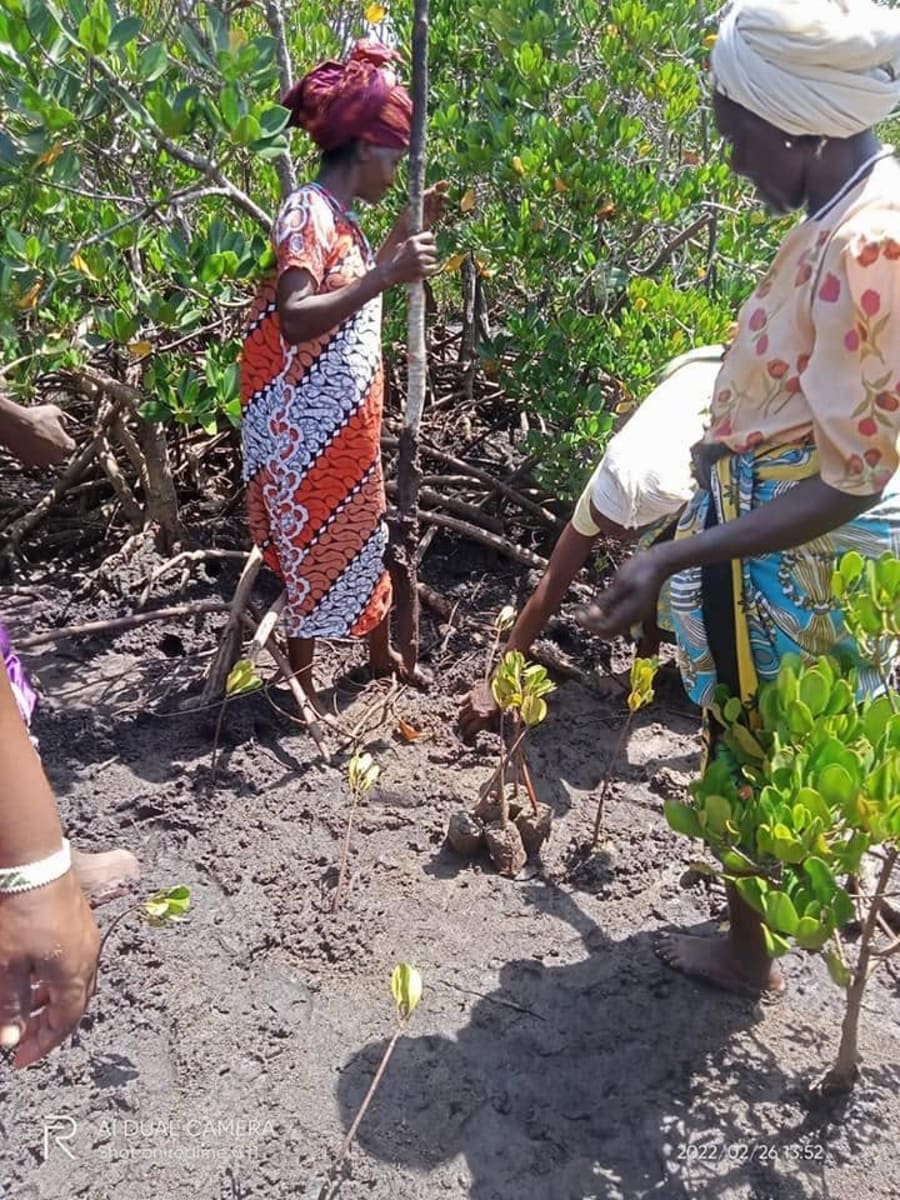
The women are the ones planting in the mud at low tide, guarding the seedlings, showing up when nobody is paying them. Gabriel Itote Mwangi has watched it for years. He works with mangroves in Takaungu, Kilifi County, where the planting and protecting has been going on for a while now, he says, "and the trees are doing well".
"But the more time I spend in this work, the more I see the same thing over and over: it's women who do the hardest part of conservation," he says. And because there is no money in it, he says, some of them end up cutting the same mangroves for firewood just to survive.
“We as the people it is our responsibility to secure a positive planet”
Gabriel Itote Mwangi
"That's the part that sits with me," he says. "We ask women to protect something for the future while they can't even meet today's needs."
So he started thinking about bees. Mangrove flowers make honey that is rare and good, he says, and hives can sit right inside the areas already being restored. The same women who plant the trees could keep bees in them, harvest the honey, process it and sell it.
He named the idea Beeyond Mangroves. He is a student at Pwani University, and he is still building it: the mangrove side is established, he says, and the beekeeping side is new.
"I've watched these women do the work of protecting the coast for years with nothing to show for it," he says. "I want that to change."