
Education Access
Students' savings fund scholarships in northern Pakistan
Naveera Taj is part of Yaran-e-Khair, a youth-led nonprofit in Gilgit-Baltistan and Chitral that has supported more than ten students and assisted three disaster-affected villages, built almost entirely from students' savings.
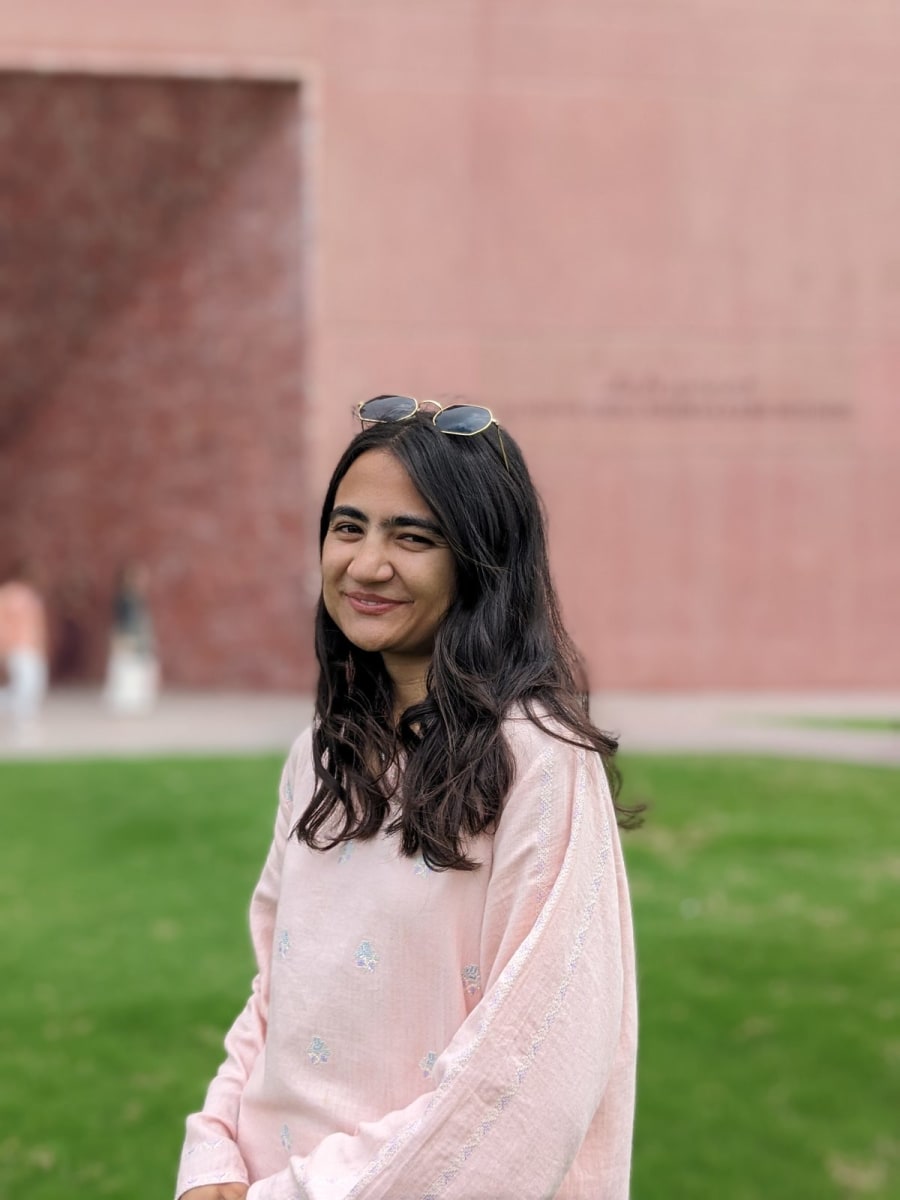
Every summer, friends came home with ideas. That is how Naveera Taj, a student at Aga Khan University Faculty of Arts and Sciences in Karachi, describes the start of Yaran-e-Khair. A group of young people from Gilgit-Baltistan and Chitral "saw that talent was everywhere, but opportunities were not," she says. "As students ourselves, we witnessed friends returning to their villages every summer with ideas, creativity, and ambition, yet very few knew how to turn those ideas into something sustainable."
Yaran-e-Khair is a youth-led nonprofit initiative working in some of the most remote communities of Gilgit-Baltistan and Chitral, Pakistan. Since 2022 it has supported more than ten students through scholarships and interest-free loans, run over twenty sessions a year "on career development, mental well-being, and climate resilience," provided educational supplies in underserved communities, and responded to disasters in Chitral and Gilgit, including help for three disaster-affected villages.
“We believe that geography should never determine opportunity.”
Naveera Taj
The money came from close by. The work was built, she says, "almost entirely through students' savings and small donations from friends and supporters."
"What keeps us going is not the size of our resources, but the needs we witness firsthand," she says.
The next step is a bootcamp. The Kashf Entrepreneurship Bootcamp is planned as a five-day residential learning experience for youth aged 17 to 25 in Garam Chashma, Chitral. Participants from remote communities would work through identifying local problems, developing business ideas and learning how culture, tourism, and community assets can become sources of sustainable livelihoods, ending in a pitch day where teams present solutions rooted in their communities. The reason, she says, is that northern Pakistan's growing tourism economy "presents immense opportunities, yet many young people lack the skills to transform local ideas and culture into sustainable livelihoods."
"We are not trying to import solutions into our communities; we are trying to unlock the potential that already exists within them," she says.
"We are still in our formative years, but we are building something larger than projects: a culture where communities invest in their own future."