
Mental Health
The question a teaching fellow could not put down
Kayondo Vicent taught literacy and numeracy with Teach For Uganda and now runs Psych Care Uganda, a school-based mental health model that is in its baseline study across partner schools.
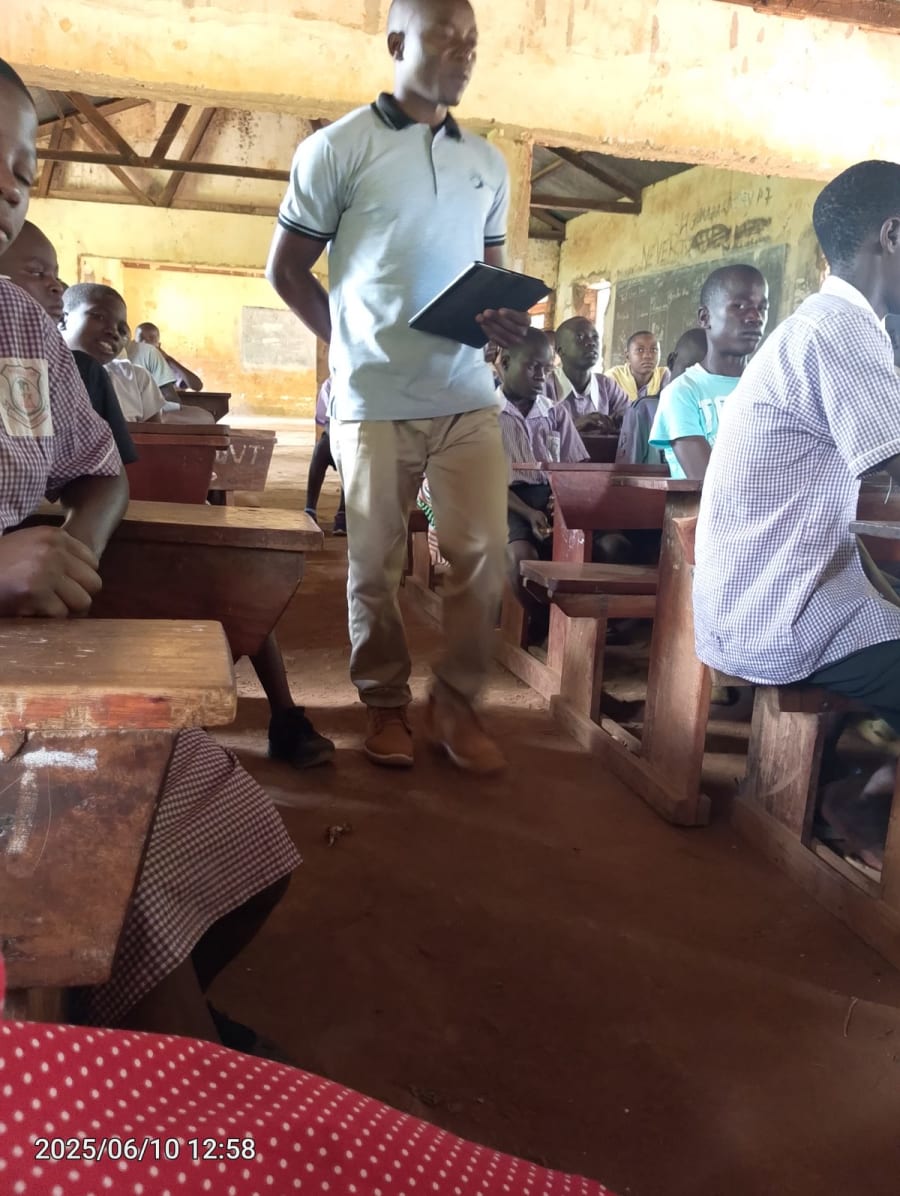
Teach For Uganda took Kayondo Vicent on as a teaching fellow of literacy and numeracy in 2022. After spending time with learners, he says, he realised that many of them were struggling because of what they carried with them into school every day. Poverty, violence at home, grief, neglect and bullying were affecting their ability to concentrate and take part in class, he says. "I kept asking myself, how do we expect children to learn when no one is paying attention to their wellbeing?"
The question stayed with him. It also reminded him of his own childhood. After his parents separated, he says, he grew up in an environment where abuse and instability became normal.
“I know what it feels like to wish that just one adult would notice that you're not okay.”
Kayondo Vicent
"Those experiences shaped how I see education today," he says.
After the fellowship he started Psych Care Uganda, to build a school-based mental health model that can help schools bring psychosocial support into everyday learning. The aim is to reach children early, "Instead of waiting until learners reach a crisis," as he puts it, so that schools become places where children feel safe and able to ask for help.
Implementation has not begun. Right now the team is conducting a baseline study across partner schools. "We want to understand the needs well and build something that is evidence-informed from the start, not based on assumptions," he says.
He is clear about the size of the problem. He says he knows one project will not solve the mental health challenges facing young people in Uganda. What he wants to prove is that schools can be places where children do not only come to learn.