
Tech
A rover on paper, then a low-cost rocket nozzle rig
Kavish Bansal, a student at MIT Vishwashanti Gurukul World School, designed a Mars rover in CAD for his IB MYP5 Personal Project and is now prototyping an open-source, low-cost rocket nozzle testing rig.
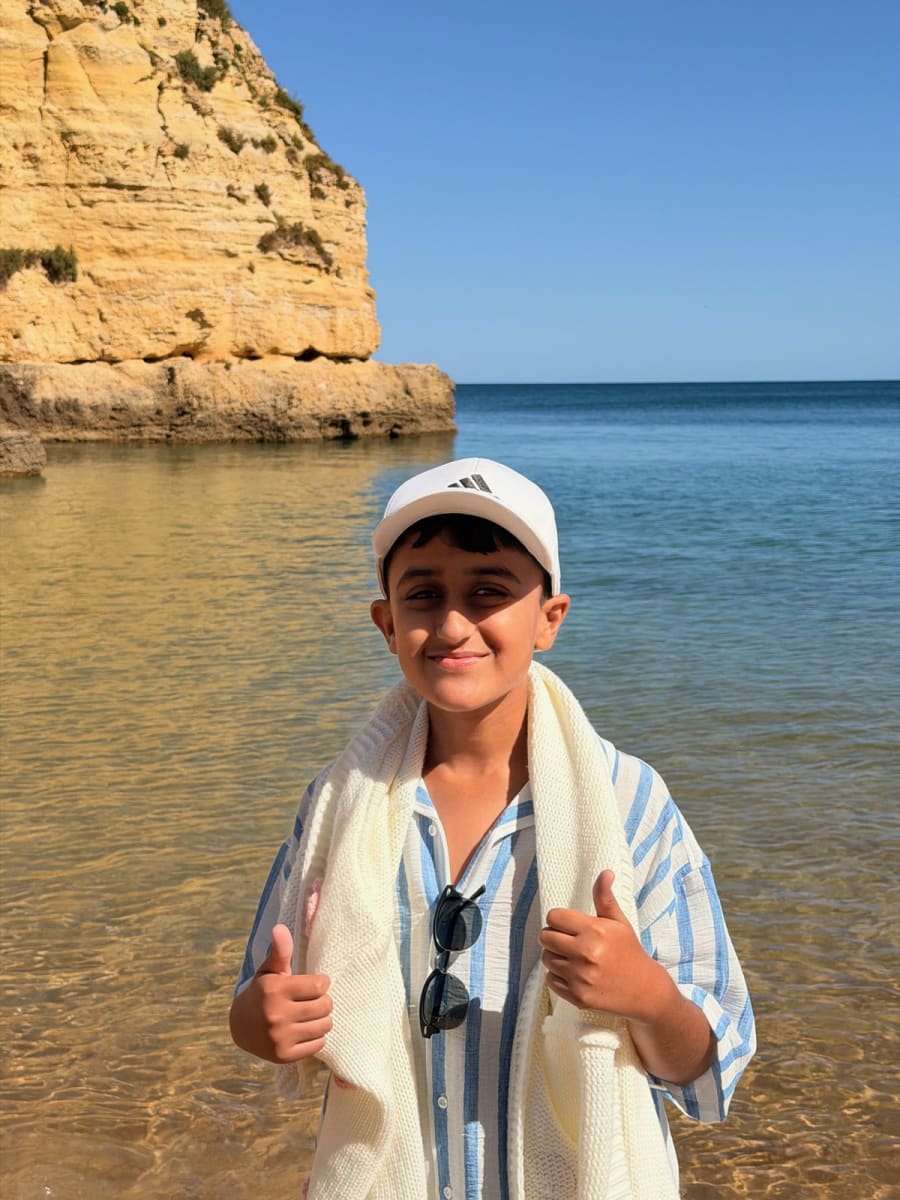
"Where do you see humanity in 30 years? I personally see humanity in 30 years on a different planet," Kavish Bansal says. Getting there is the hard part. "It is very hard to do that, and NASA is trying. ISRO is trying," he says.
His IB MYP5 Personal Project at MIT Vishwashanti Gurukul World School was a Mars rover to test mechanical terrain efficiency. The rover reached CAD design, he says, and was meant to be built after that. It was not, in the end: budget constraints changed the whole project. The proposal laid out a passive, all-mechanical Rocker-Bogie suspension using steel ball bearings, a custom wooden sandbox he named the "Martian Regolith Simulation Track", filled with fine sand, jagged gravel and steep rock plates, and a digital push-pull force gauge on the back of the rover to measure how many Newtons of pulling force the tires could take before they spun out, and the slope at which the wheels lost traction.
“Innovation isn't about how expensive your lab is... it's about how creative you get with the physics.”
Kavish Bansal
Rovers, he says, have been lucky. "Opportunity rover, that was only supposed to survive 90 days, and it survived 15 years through sheer fortune," he says. "However, humanity's survival cannot depend on luck. We need concrete, predictable mechanical data. I want to contribute to that hope."
Budget constraints have since moved his research. He is now physically prototyping an open-source, low-cost rocket nozzle testing rig to study compressible fluid dynamics. It is a physical build this time. He describes his focus as "accessible, low-cost aerospace engineering tools."