
Health & Wellness
Ten real patients safe before he talks about millions
Aryan Dua built PharmaSync to scan a prescription and cross-check the medicines against the RxNorm and OpenFDA databases, and after auditing his own code he is rebuilding it so it is safe for real patients.
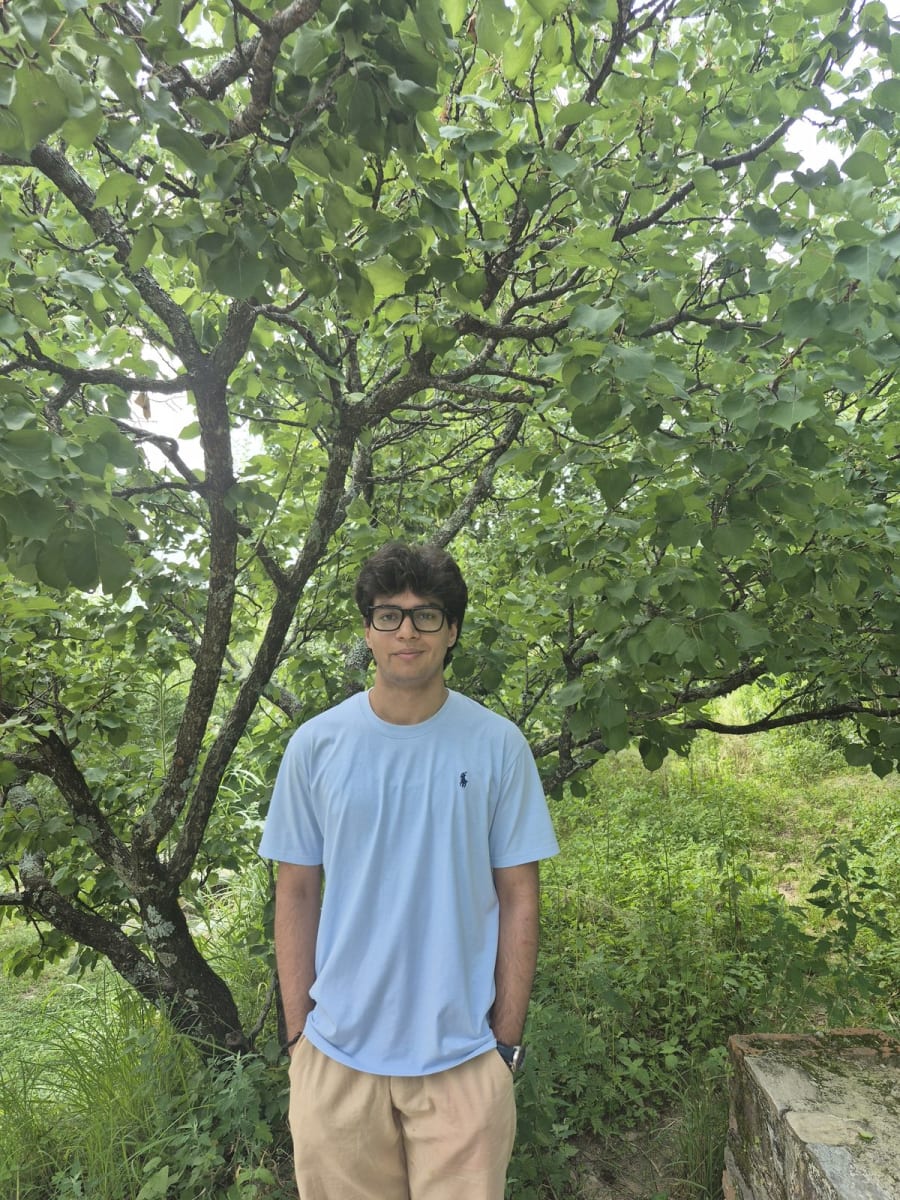
People in Aryan Dua's family see different doctors, and each one prescribes separately. Nobody checks whether the medicines are safe to take together. "You just trust it," he says. "That bothered me enough to build the thing that checks."
PharmaSync is that thing. It scans a prescription, reads the medicines even from bad handwriting, and cross-checks them against RxNorm and OpenFDA, the databases he says doctors actually use, rather than asking an AI to guess. It explains each drug simply, finds cheaper Jan Aushadhi generics and reminds you when to take them. He is a student at Mount Carmel School, Anand Niketan.
“Some people mistake my silence for absence; I call it quiet ascendency”
Aryan Dua
The core works end to end. "I can scan a real prescription and get back real interaction warnings," he says. Then he audited his own code. The auth, he says, was held together with tape, API keys were sitting in the source, and patient data was living in the browser instead of a real database. It would have been easier to keep adding features that demo well. "I made myself look instead," he says. So he is rebuilding what he calls "the unglamorous half: making it actually safe to put a real person's medicines into."
"The hard part was forcing myself to audit my own work and write down everything wrong with it, including the parts that embarrassed me," he says. "Learning to choose the unglamorous fix over the impressive demo changed how I build everything."
The stakes, for him, are plain. "A wrong drug combination isn't a bug report, it's a hospital bed," he says. He wanted something that says it does not know instead of guessing, "because guessing about medicine is how people get hurt." The people it is for cannot fix the problem themselves: "An older patient juggling prescriptions from doctors who never speak to each other doesn't even know there's a danger to catch."
"I'm a student, not a founder," he says. "I've restarted this project more times than I'd like to admit, and I keep coming back." The databases it runs on are global, and he says it can reach far. "But I'd rather prove it keeps ten real patients safe before I talk about millions."