
Disability Rights
Designing rooms that do not push people out
April Surac founded NeuraSensa in September 2024, and its work has since reached 15,000+ people and put 286 therapeutic kits into circulation through Sponsor-a-Kit.
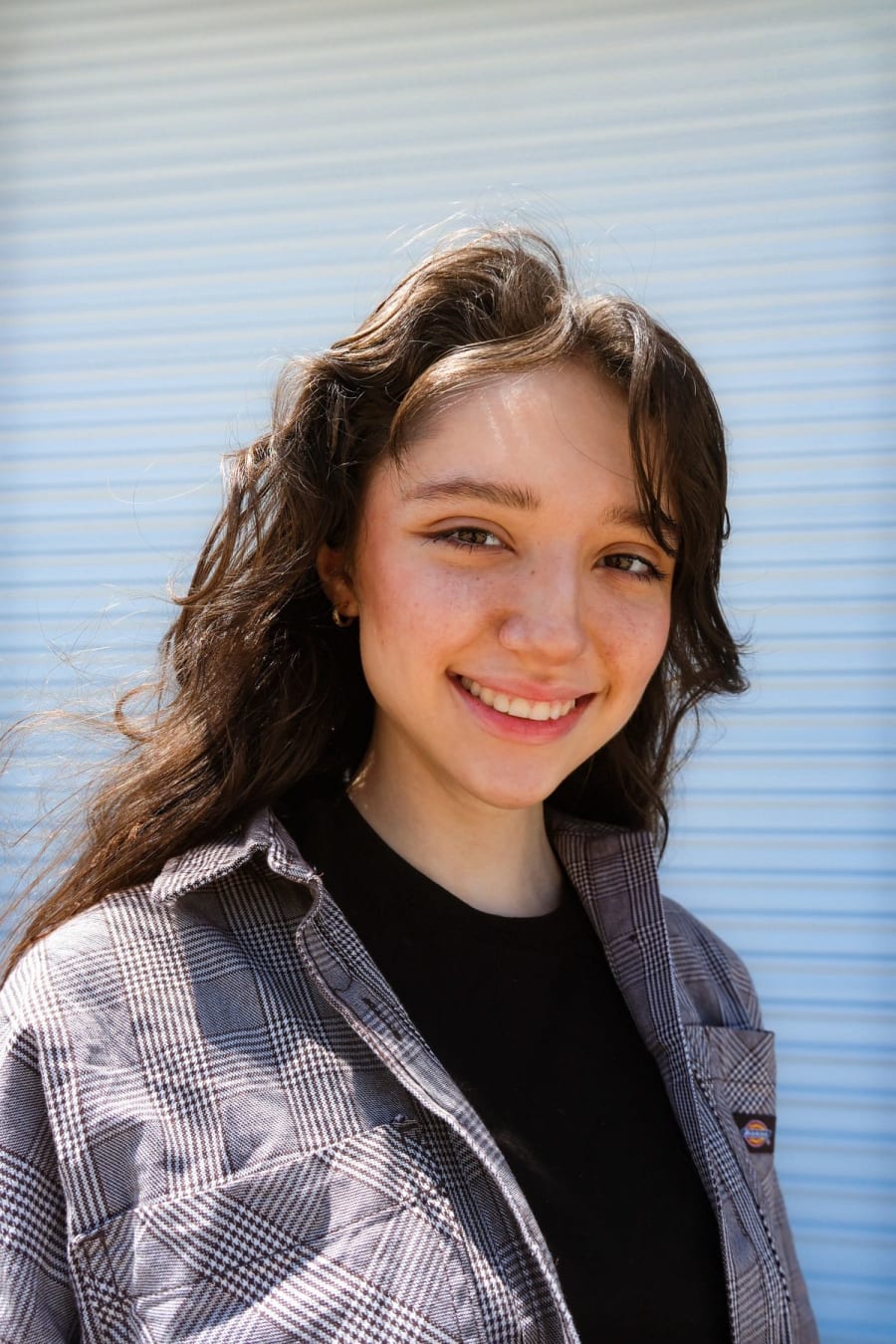
NeuraSensa has reached 15,000+ people through gallery installations and community programs since it launched, April Surac says. It has distributed 286 therapeutic kits through Sponsor-a-Kit and built a network of 13 local partners, including hospitals, therapists, educators, community groups and disability-serving organizations.
She founded it in September 2024 as a sensory accessibility and neuroinclusive design initiative to make art and education, as well as healthcare and public spaces, "more accessible for neurodiverse people, especially autistic individuals and people with sensory processing differences." It works through interactive multisensory art installations and sensory support kits, plus workshops and resources for institutions.
“I’ve come to see neuroinclusivity in public spaces as more than a question of access. It asks whose ways of sensing, processing, and participating were considered when a space was designed in the first place.”
April Surac
It started with her family. She began the work, she says, because of a family member, and because she grew up watching "how quickly access can disappear when a room is too loud, visually intense, unpredictable, or designed without sensory needs in mind."
Her parents are craftspeople who build furniture. She grew up in their shop, "surrounded by fabric, wood, upholstery, repair, and the discipline of making things people rely on every day." That, she says, taught her that design is never neutral. "A space can either support someone or quietly push them out."
Her related work has been featured in a 2026 Museum of Modern Art juried teen exhibition and on a Times Square billboard during Neurodiversity Awareness Month. NeuraSensa has received $10,000 in support through the Gloria Barron Prize for Young Heroes, and national recognition from NCWIT, Bank of America's Aspirations in Computing and the George H. W. Bush Points of Light Foundation.
Now a student at Florida Virtual High School Flex, she is preparing for a TED talk in New York City this October on neuroinclusivity and ideas connected to NeuraSensa, with mentorship for the talk from Professor May-Britt Moser, a neuroscientist and 2014 Nobel laureate in Physiology or Medicine. Alongside it she continues to develop her work in neuroscience, in neurotechnology and in human-centered design.
NeuraSensa, she says, turns what she learned from her parents' craft into "work focused on sensory accessibility, neuroinclusive design, and public spaces where more people can feel considered from the beginning."