
Health & Wellness
An app that asks why a cycle is changing
After four of her ten close friends dealt with PCOD or other menstrual irregularities, Aishwarya Raj built a prototype of OvaSync, an app that combines menstrual tracking with lifestyle tracking.
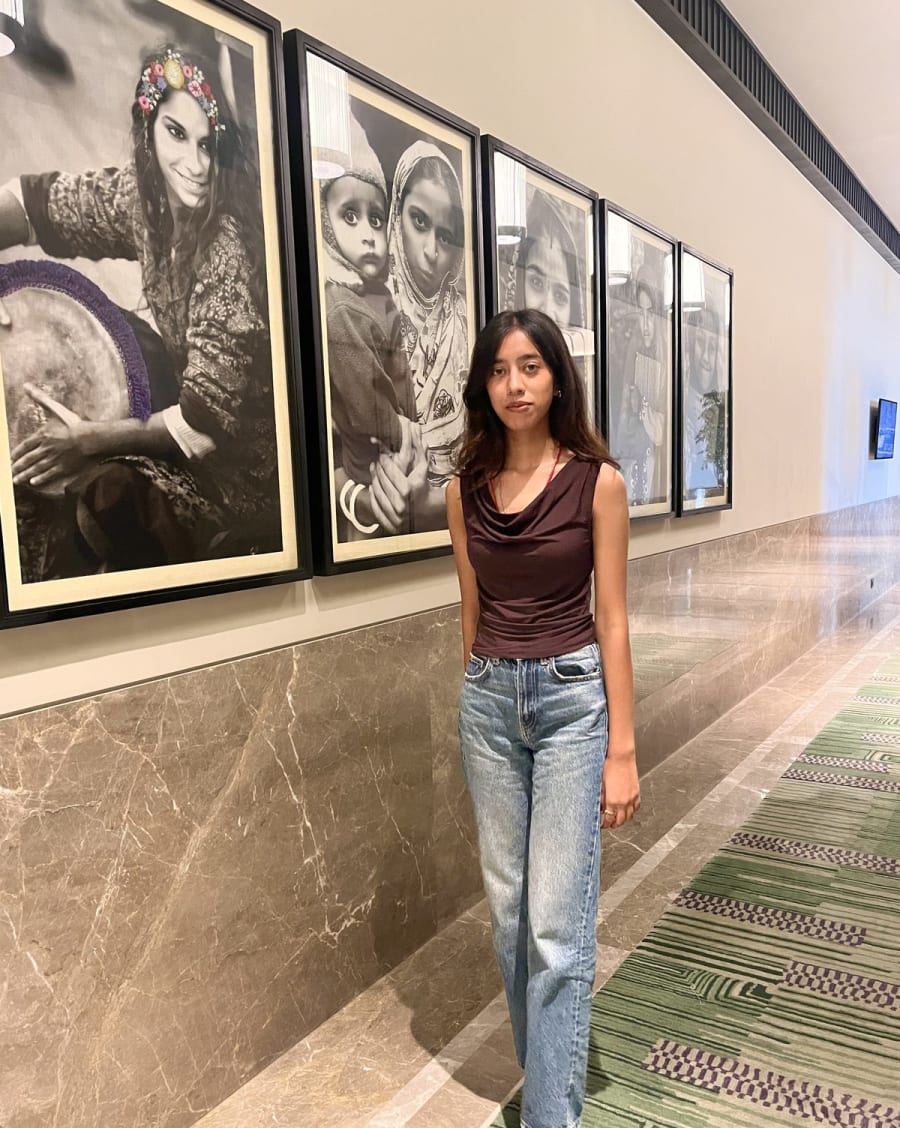
Four of her ten close friends were dealing with PCOD or other menstrual irregularities. Aishwarya Raj says that was the thing that kept bothering her, and it made her wonder why so many young women around her were facing similar challenges.
As she learned more, she says, she realized that menstrual health "isn’t just about hormones or tracking periods." Sleep, stress, nutrition, physical activity and mental well-being all influence the menstrual cycle, and yet, as she puts it, "most period tracker apps only tell users when their next period is due."
“Sometimes, creating change starts with simply refusing to ignore a problem”
Aishwarya Raj
"I wanted to build something that answered a different question: Why is my cycle changing?" she says. "That’s how OvaSync began."
OvaSync is an app that combines menstrual tracking with lifestyle tracking to help women better understand their bodies. Users log their cycle, symptoms, sleep, stress levels, eating habits, exercise, mood and medications in one place, and rather than showing each separately the app analyzes them together to identify patterns that may affect menstrual health. It also gives personalized reminders for healthy habits, educational insights and a health log for monitoring changes over time.
The feature she is most excited about is the AI assistant. "Rather than presenting complicated graphs, it explains health patterns in simple language," she says. If a user consistently reports poor sleep and high stress before irregular periods or severe cramps, the AI can highlight that possible connection, suggest practical lifestyle improvements and encourage the user to seek medical advice when needed. In the future she hopes to integrate trusted gynecologists into the platform so users can easily access professional care.
The prototype is done. She is on a gap year. "So far, I’ve completed the app prototype and am looking for technical collaborators to build the first version," she says.
OvaSync is not the only thing she runs. Her Hormonal Health is her nonprofit, and it has reached around 25,000 people digitally, set up two chapters, and worked with more than 90 students through workshops. It has also produced a free menstrual and hormonal health workshop guide.