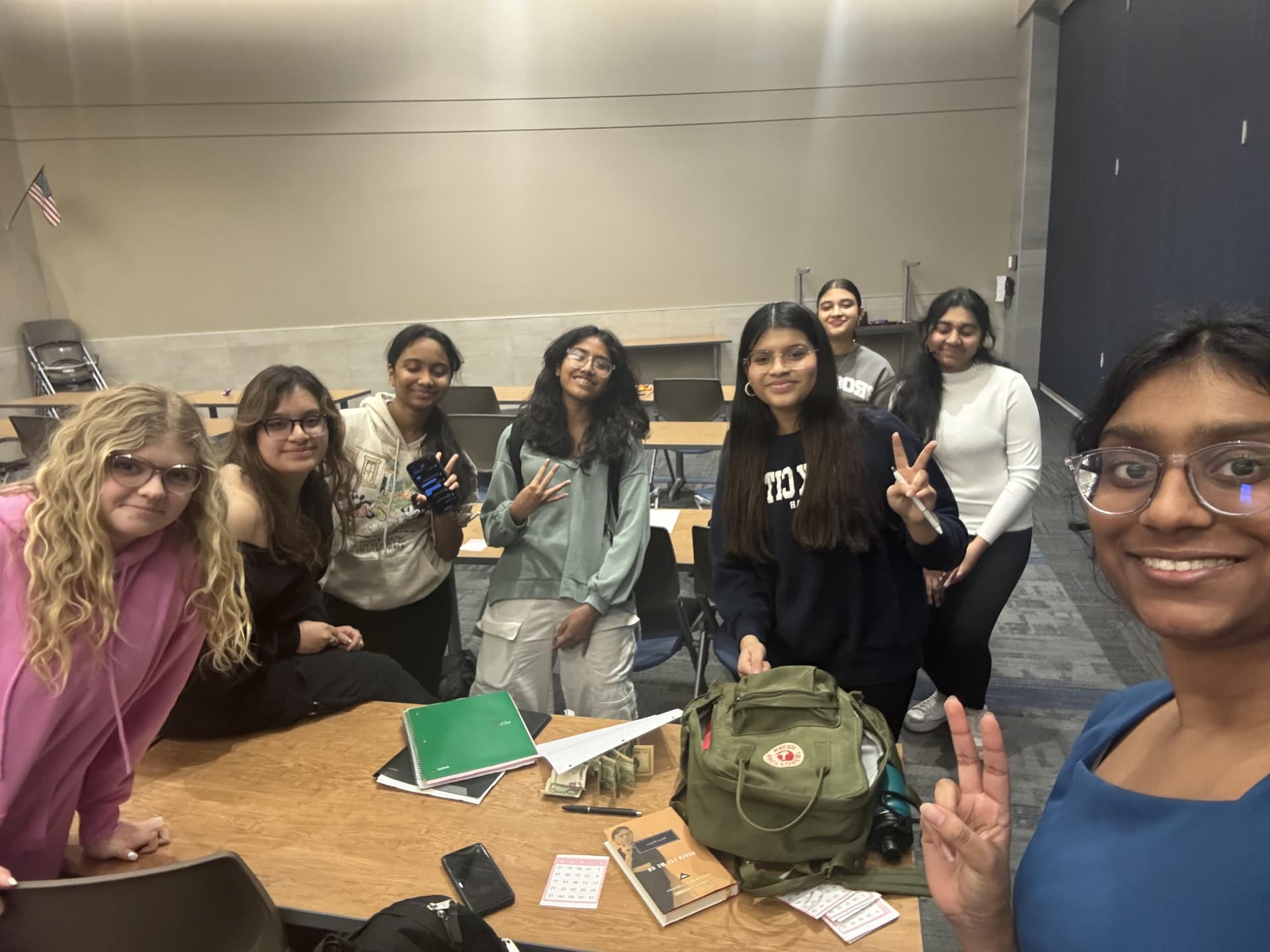
She entered anatomy competitions to keep the donations coming
When her school ended on-campus fundraising, Nandini Bansal started entering anatomy competitions with cash prizes and put the winnings into supplies for an Omaha shelter. Then she built the directory the city was missing.

She grew up in a small village in India. "Poverty was a huge problem, and daily life was hard for most people around me. I was too young then to do anything about it," she says. When she moved to Nebraska and saw people struggling here too, she started. Sophomore year, she began raising money for a homeless shelter in Omaha.
The method changed when the rules did. She set up an online fundraiser and ran fundraisers at school. When school rules ended on-campus fundraising, she started entering anatomy competitions that carried cash prizes and put the winnings toward the same purpose. She says the money went into menstrual products, diapers, warm socks, towels and hygiene kits for children and adults.
Someone in crisis does not have time to dig through five websites.
Nandini Bansal
The second half of the work is HavenLink, a free directory that gathers Omaha's shelters, free meals, clinics and legal aid in one place. Shelter staff update their own listings themselves, through a shared spreadsheet.
The information exists in Omaha. It is scattered and out of date, spread across places a person in crisis has neither the time nor the connectivity to work through, and knowing a resource exists somewhere is not the same as being able to reach it today.
She wants to incorporate the project as a nonprofit, so that donations become tax-deductible and supplies can be bought wholesale instead of retail. After that she wants a volunteer group in Omaha, and the directory extended to other cities, especially rural areas where resources are hardest to find.
She was named a National Honorable Mention in the 2026 NCWIT Award for Aspirations in Computing.