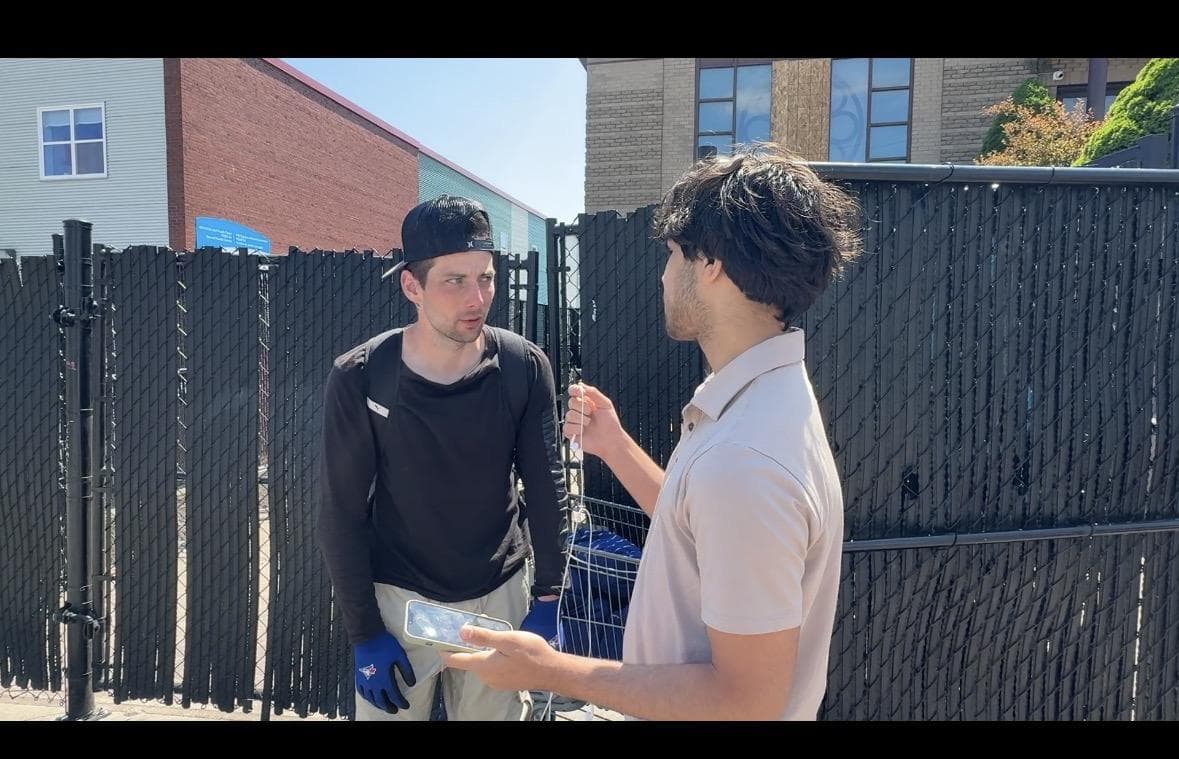
A man on the street with no pulse, and nobody who knew CPR
Abdul Nasan is a university student and combat medic in Saint John. After walking into an overdose that nobody standing around it knew how to treat, he and a few friends started New Brunswick OverDose Prevention.
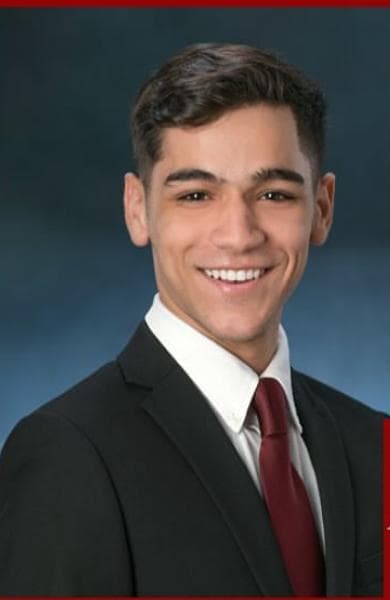
Abdul Nasan describes walking into something one day that he had not gone looking for. "I came across a person laying on the street one day, no pulse, no breathing, and a few people that looked like they knew him were standing next to him trying to perform CPR but they seemed to not know how to," he says. He asked them what had happened. They told him the man had overdosed.
He had been circling the subject before that. He studies at the University of New Brunswick, in an area where, he says, homelessness and substance use had become normal to see, which is what made him look at the problem in the first place. He works in a research department at a heart centre, where he comes across patients whose diseases and mental health conditions trace back to substance use that is, in his words, "often not disclosed until later through their stay", because of stigma and because they do not feel understood. He is a combat medic as well, and says he regularly hears from paramedics about people with substance use problems who never find the help they need.
All of those were factors that made me think, there has to be a way to help those in need.
Abdul Nasan
He started a group called New Brunswick OverDose Prevention with a few friends. They went out onto the streets, interviewed people, talked personally with those most affected, and met with organizations already working on the issue. The group is now preparing naloxone training sessions for schools and for the university campus.
Enough naloxone supplies means enough kits to teach with and enough kits to send home afterwards, so that a person who takes the training leaves holding the thing the training is about, and so that kits reach the people most likely to be standing over someone who has stopped breathing. How many sessions the group can run at all is capped by how many kits it can put on a table.
The concern was already there. The man on the street was the moment it had to physically become action.