A vehicle exhaust filter grown from maize cobs and algae
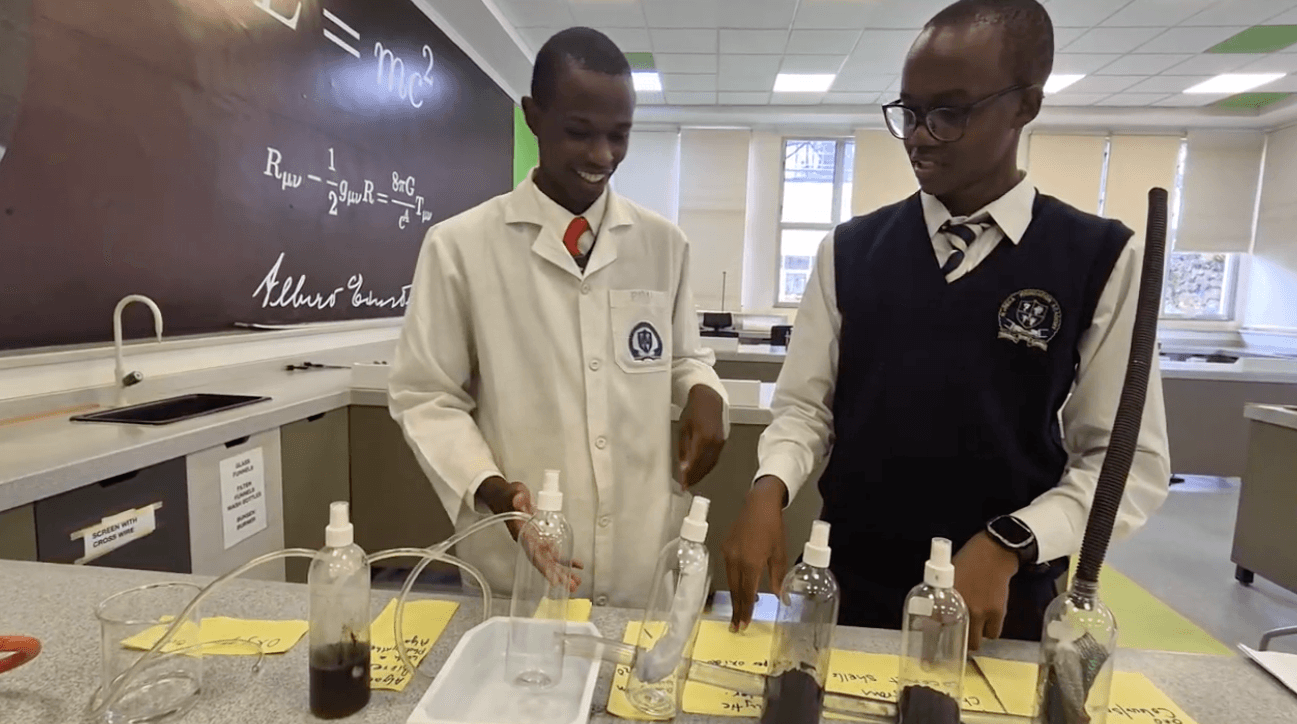
Miron Onsarigo and his co-founder Fredrick Kariuki built HewaSafi, a matatu exhaust filter made from maize cobs, coconut shells, recycled battery parts and living algae, priced for the drivers whose fumes their neighbours have been quietly getting sick from.
At a bus stage in Kisumu, as a child, Miron Onsarigo would stand with his eyes stinging and his throat tight while matatu drivers revved their engines. "The fumes were invisible enough to ignore but constant enough to kill," he says. He grew up thinking that was the price of living in a city.
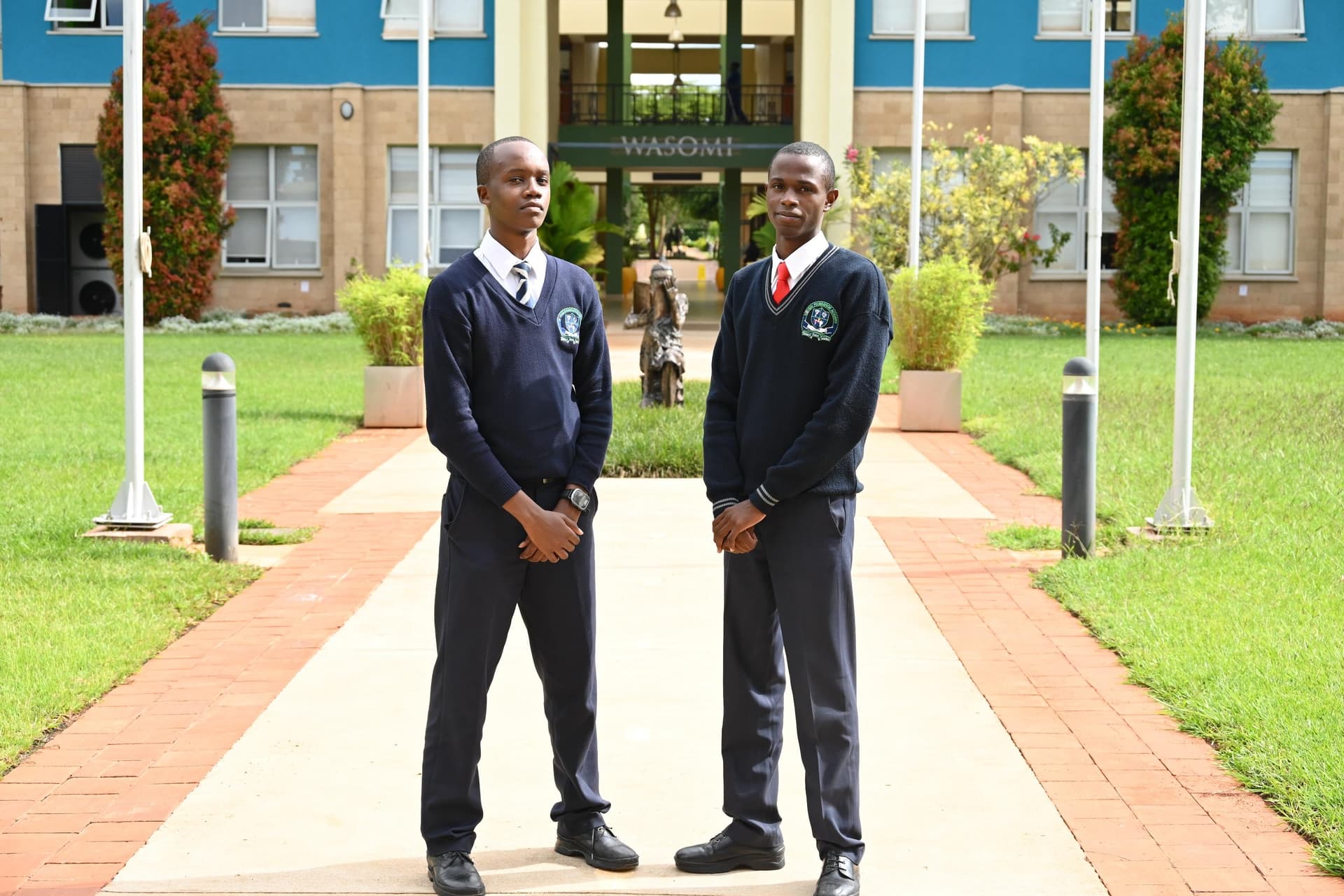
At the M-PESA Foundation Academy he met Fredrick Kariuki, who had developed bronchitis at ten from the air in Naivasha and still takes medication for it every week. Miron says they realised they had been living inside the same problem from different angles, Fredrick in his lungs, Miron in the faces of the people around him. HewaSafi began there, not as a school project, he says, "but as something we genuinely needed to exist in the world."
We are not researchers who discovered a problem. We are two young people who grew up inside one and decided to build our way out.
Miron Onsarigo and Fredrick Kariuki
The name means clean air in Swahili. The filter clips onto a vehicle exhaust pipe and its layers are deliberate. Maize cob biochar traps coarse particulate matter. Coconut shell activated carbon handles the finer particles and volatile organic compounds. A living algae chamber takes up carbon dioxide and releases oxygen. Reclaimed copper mesh and steel from used batteries form the frame. Every component can be bought in a Kenyan market or agricultural supply store, and none of it, Miron notes, has enough resale value to be worth stealing.
The first field pilot ran with a matatu association in Nairobi. Drivers were sceptical, which Miron says was fair, because they had seen plenty of ideas that did not survive contact with real roads. He and Fredrick installed units, rode along and collected data. The team reports a 93.3 percent reduction in PM2.5 in its own pilot testing on five Nairobi matatus, with no mechanical interference with the vehicles and no maintenance beyond a periodic filter swap.
What the two of them are building around the filter looks less like a product than a chain: young people trained to make units from agricultural waste sourced on nearby farms, transport saccos as the route to drivers, county governments as regulatory allies, and instalment payment plans so no driver is priced out of cleaner air. HewaSafi took the Earth Prize 2026 Africa regional award in May, worth $12,500 with mentoring, and was a finalist for the global prize. Both of them are still in school. "We are moving as fast as we can," Miron says.