
Leaders of TodayLeaders of Today
BrowseWorkspaceProfile
Leaders of Today

Every opportunity worth finding, checked against its source.

Submit an Opportunity
Leaders of TodayAbout UsBlogContactReport a Bug
LegalCookiesDisclaimerPrivacy PolicyTerms of Service

© 2026 Leaders of Today™. All Rights Reserved.

This opportunity has closed. It stays published for reference, and new cycles reopen here when the organizer announces them. Browse open opportunities

CLIVAR CMIP7 Climate Model Hackathon

  • Organization: CLIVAR (World Climate Research Programme)
  • Type: Workshop
  • Location: Global
  • Deadline: October 24, 2026
  • Funding: No Funding

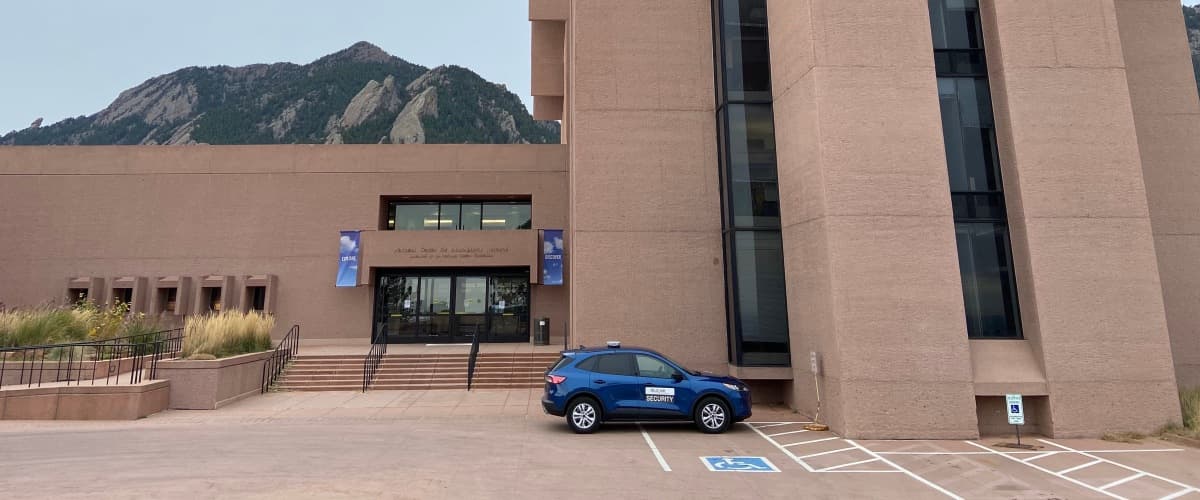
CLIVAR, the World Climate Research Programme's project on climate and ocean variability, is bringing researchers together for three days to test how well the new CMIP7 generation of climate models reproduces historical climate trends and multidecadal variability. It runs in person at the same time at NSF NCAR in Boulder, National Taiwan University in Taipei and the University of Tokyo, with some lectures and tutorials on analysing CMIP data and most of the time spent on collaborative projects aimed at papers ahead of the IPCC Seventh Assessment Report deadline. **What you get:** - Three days in person, 6 to 8 January 2027, at one of three hubs: NSF NCAR's Mesa Laboratory in Boulder, the Department of Atmospheric Sciences at National Taiwan University in Taipei, or RCAST at the University of Tokyo - Lectures and tutorials on how to use and analyse CMIP climate model data - Collaborative projects with climate scientists, aimed at publications ahead of the IPCC AR7 deadline of 15 March 2027 - A chance at limited travel support for flights or hotel, with priority for early-career researchers within 10 years of their PhD. It is confirmed for Boulder, funded by Spark Climate Solutions and the CMIP International Project Office; the Taipei form offers hotel support only **What you'll do:** - Analyse CMIP7 simulations of the historical period, comparing the models' trends and multidecadal variability with observations - Work out the relative roles of forced change and natural internal variability in historical trends, and the physical processes behind them - Spend most of the three days hacking on collaborative projects with other participants **Key dates:** - Applications close 24 October 2026 (no closing time is given) - Notifications by 31 October 2026, according to the application forms (the website says late October or early November) - Hackathon runs 6 to 8 January 2027 at all three hubs - 15 March 2027: the IPCC AR7 deadline the hackathon's papers are aimed at **More information:** - Each hub has its own application form, linked from the hackathon website - Venue details for the Taipei and Tokyo hubs are still to be announced, and the schedule is still being developed - The Boulder form says participants already attending the AMS Annual Meeting in Denver are expected to cover their own flights - The French climate modelling community is running a separate, coordinated Climathon on the French centres' CMIP7 Fast Track simulations
Apply for CLIVAR CMIP7 Climate Model Hackathon

CLIVAR (World Climate Research Programme)Workshop

CLIVAR CMIP7 Climate Model Hackathon

This one has closed
Archived
Opportunity type
Workshop
Funding
No Funding
Location
Global
Deadline
Archived

About this opportunity

CLIVAR, the World Climate Research Programme's project on climate and ocean variability, is bringing researchers together for three days to test how well the new CMIP7 generation of climate models reproduces historical climate trends and multidecadal variability. It runs in person at the same time at NSF NCAR in Boulder, National Taiwan University in Taipei and the University of Tokyo, with some lectures and tutorials on analysing CMIP data and most of the time spent on collaborative projects aimed at papers ahead of the IPCC Seventh Assessment Report deadline.

What you get:

  • Three days in person, 6 to 8 January 2027, at one of three hubs: NSF NCAR's Mesa Laboratory in Boulder, the Department of Atmospheric Sciences at National Taiwan University in Taipei, or RCAST at the University of Tokyo
  • Lectures and tutorials on how to use and analyse CMIP climate model data
  • Collaborative projects with climate scientists, aimed at publications ahead of the IPCC AR7 deadline of 15 March 2027
  • A chance at limited travel support for flights or hotel, with priority for early-career researchers within 10 years of their PhD. It is confirmed for Boulder, funded by Spark Climate Solutions and the CMIP International Project Office; the Taipei form offers hotel support only

What you'll do:

  • Analyse CMIP7 simulations of the historical period, comparing the models' trends and multidecadal variability with observations
  • Work out the relative roles of forced change and natural internal variability in historical trends, and the physical processes behind them
  • Spend most of the three days hacking on collaborative projects with other participants

Key dates:

  • Applications close 24 October 2026 (no closing time is given)
  • Notifications by 31 October 2026, according to the application forms (the website says late October or early November)
  • Hackathon runs 6 to 8 January 2027 at all three hubs
  • 15 March 2027: the IPCC AR7 deadline the hackathon's papers are aimed at

More information:

  • Each hub has its own application form, linked from the hackathon website
  • Venue details for the Taipei and Tokyo hubs are still to be announced, and the schedule is still being developed
  • The Boulder form says participants already attending the AMS Annual Meeting in Denver are expected to cover their own flights
  • The French climate modelling community is running a separate, coordinated Climathon on the French centres' CMIP7 Fast Track simulations

Who can apply

  • Open to all career stages; the Taipei and Tokyo forms list Student and Professional researcher as options
  • No age or nationality limit is stated; the forms ask whether you need a visa to travel
  • Apply through the form for the hub you want to attend; each form asks whether you also applied to another hub
  • Each form asks for your affiliation, highest degree and its year, research interests, the CMIP variables you want to analyse, your project ideas and your experience with collaborative code development
  • If a hub has more applicants than places, participants are chosen on career stage and how relevant their interests and proposed research are to the hackathon's goals
  • In person only, and capacity at each hub is limited

AI Verification

✓ AI Verified

Our AI read the official sources and cross-checked the key facts. Here is what held up, and what it could not confirm.

We could not fully verify this organization or all of its details. Check it independently on the official website before you apply, and never share sensitive personal or financial information until you are sure a request is genuine.

57
LOT Verification ScoreFair

Cross-checked 11 of 13 key facts

Confirmed Our best read Not stated

Good to know

  • +Run by CLIVAR, part of the World Climate Research Programme, with NSF NCAR, National Taiwan University and the University of Tokyo hosting
  • +Free to apply and free to attend
  • +Open to every career stage, students included
  • +Hands-on work with brand new CMIP7 climate model data, aimed at papers for the next IPCC assessment
  • +Some travel support is available for the Boulder hub, with priority for researchers within 10 years of their PhD

Worth checking yourself

  • !Applications close on 24 October 2026 and no closing time is given. We show 23:59 Tokyo time, the earliest of the three hubs, which is 10:59 am US Eastern, so apply before then
  • !Travel support is limited and not guaranteed: so far only the Boulder hub has funding, Taipei offers help with hotels only, and most people should expect to pay their own travel
  • !In person only, 6 to 8 January 2027, in Boulder, Taipei or Tokyo
  • !Aimed at climate researchers: the form asks which CMIP variables you want to analyse and about your experience writing code with others
  • !Venue details for Taipei and Tokyo, and the schedule, are not published yet

Sources checked

CLclivar.orgOfficialCLclivar.orgOfficialNCncar.github.ioApplyDOdocs.google.comOfficialDOdocs.google.comOfficialDOdocs.google.comOfficialCLclivar.orgOfficialSCscied.ucar.eduOfficial

LOT finds and checks opportunities from public sources. Always confirm details on the organiser’s own page before applying.

CLIVAR CMIP7 Climate Model Hackathon
Archived
This one has closed