
Education Access
The opportunities students find a week too late
Sanjeevni Sharma built Clariva, a student opportunity-discovery platform, after surveying students in seven countries and finding that 76.5% of them had missed opportunities outright.
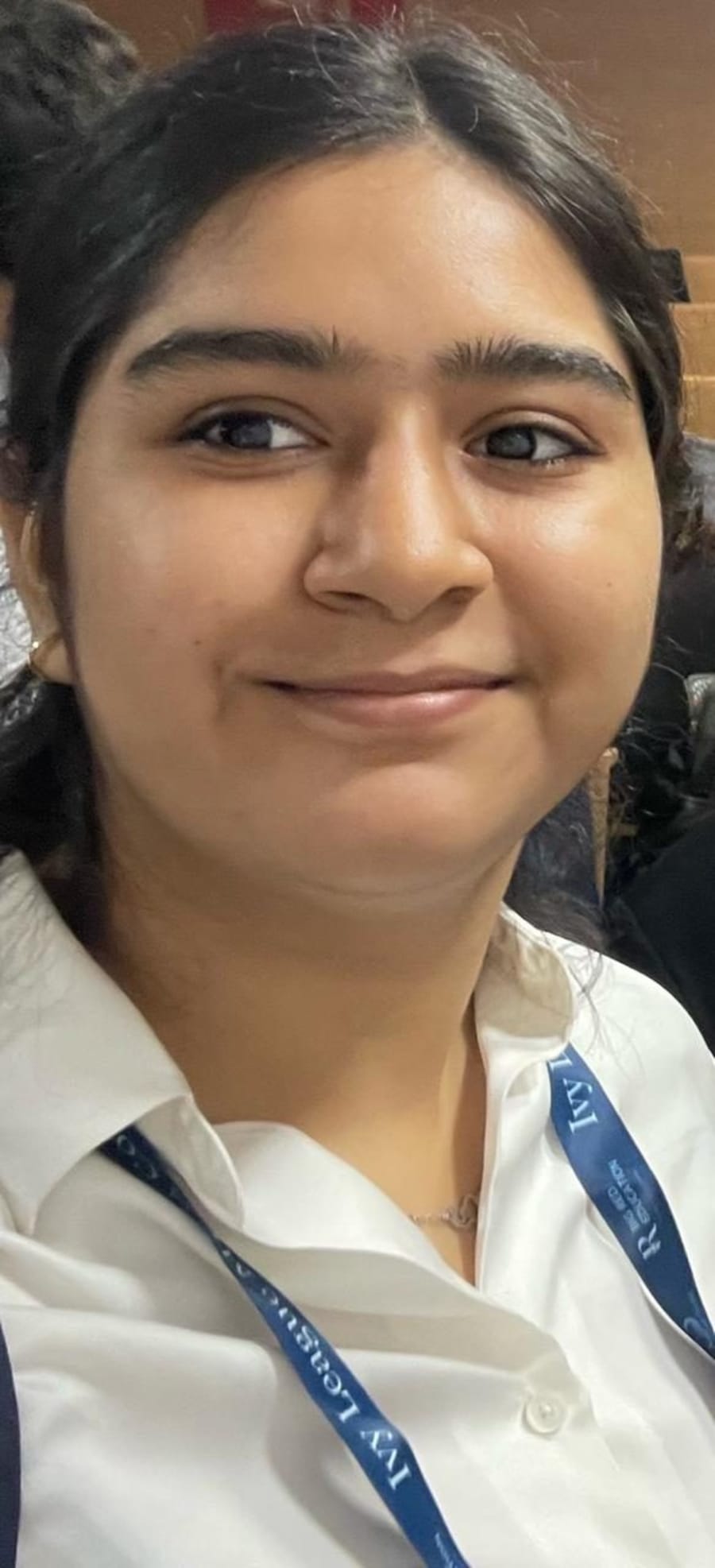
Searching from Ambala, India, for scholarships, competitions, research programmes and summer schools, Sanjeevni Sharma kept hitting the same wall. The opportunities were scattered across dozens of websites and online communities, and students kept finding them only after the deadline had gone.
As a high-school student she searched Google, university websites, Instagram, Reddit, Discord communities, newsletters and AI tools. Even with all that effort, the process stayed fragmented. "Even after searching extensively, I would sometimes discover opportunities after their deadlines had passed, or find information that was incomplete or difficult to verify," she says.
“Sometimes the difference between two students isn't talent or ambition; it's simply who knew the opportunity existed.”
Sanjeevni Sharma
Rather than assume the problem was hers alone, she ran a survey of students across seven countries. 76.5% said they used Google to look for opportunities. 76.5% reported having missed opportunities. 58.8% said they had found one too late.
Those findings became the foundation for Clariva, which is built to make academic and extracurricular opportunities easier to find, understand and act on. It covers competitions, research, internships, scholarships and programmes, and is being developed to match students by grade level, interests, country, affordability and eligibility, while letting them track deadlines and keep a list of what they want to pursue.
The underlying problem, for her, is not convenience. "What frustrated me most was realizing that access to opportunities can depend heavily on access to information," she says. Students with experienced counsellors, strong networks, older peers or the right online communities hear about things months ahead. Others meet the same information after it has stopped being useful.
Since launch, Clariva has grown past 500 opportunities, and the database is maintained rather than merely accumulated: new listings are added, and expired or outdated ones reviewed, updated or removed. The project has also widened beyond listings into guidance on how to approach applications once a student finds one.
Next comes better matching, on country, eligibility, interests, goals and practical constraints. Longer term she wants Clariva to reach past high-school students to undergraduates, graduates, researchers and eventually doctoral students.
The purpose stays simple. "I want students to know what is available to them early enough to make a real choice about whether they want to pursue it," she says.