
Entrepreneurship & Innovation
Flagging the food a restaurant is about to waste
Rym Mathew Njuguna is building FoodVrse in Nairobi, and its first product, Dishii, uses AI and inventory data to spot food at risk of becoming waste before it reaches the bin.
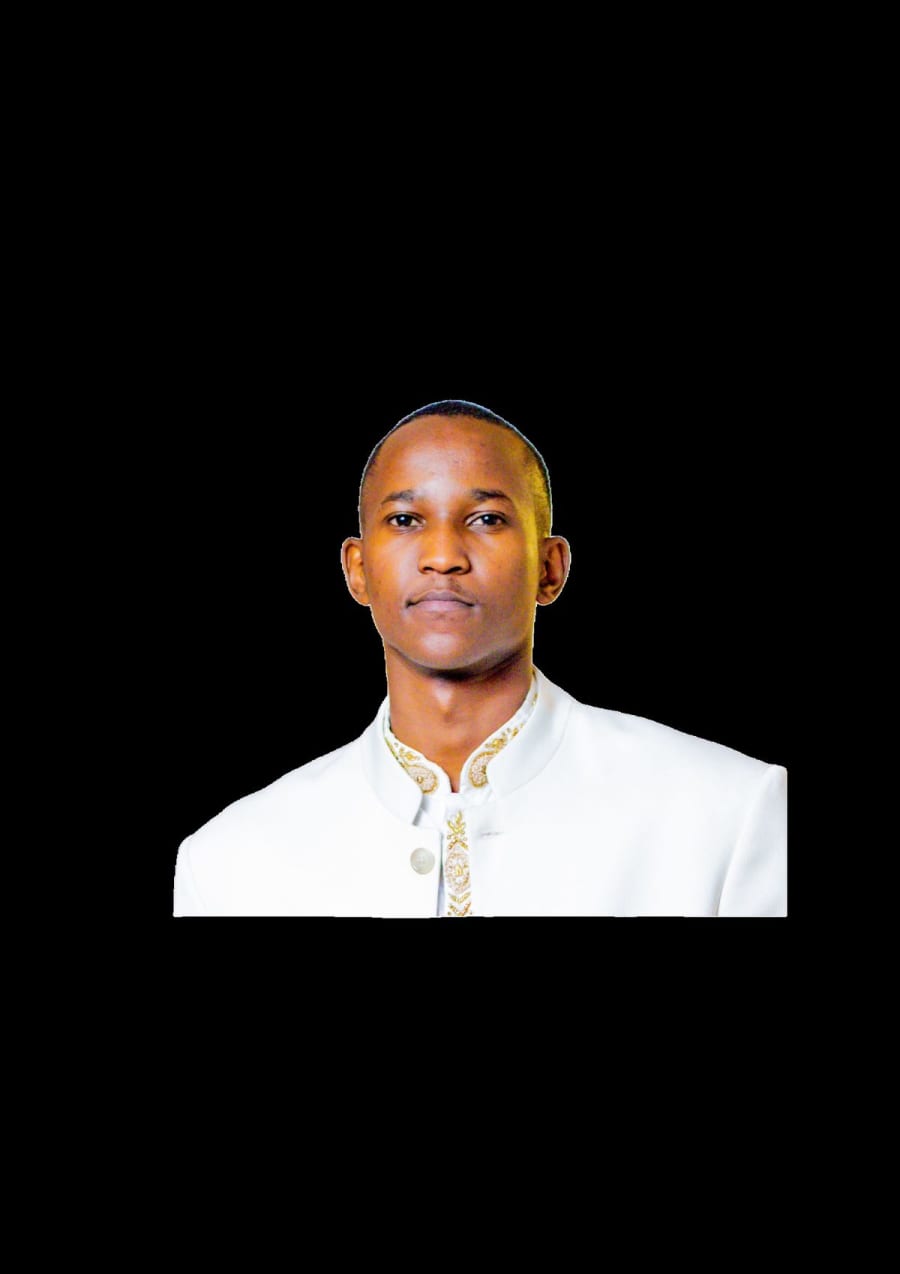
Restaurants and retailers regularly end up with surplus food that still has value. He saw that, he says, while many families were looking for affordable options, and he kept asking why businesses had inventory systems that could tell them what they sold "but not what they were about to waste."
That question became Dishii.
“I'm building FoodVrse because I think one of the biggest contradictions in Africa is that millions of people struggle to afford food while perfectly good food is thrown away every day.”
Rym Mathew Njuguna
It is the first product of FoodVrse, the company Rym Mathew Njuguna, of St. Paul's University, is building. Dishii combines AI, inventory data and existing POS systems to identify food that is at risk of becoming waste before it reaches the bin. Rather than reacting after products expire, the goal is to help businesses act earlier through discounts, redistribution or donations. On the consumer side, people can discover the discounted products through a simple marketplace and, eventually, directly through WhatsApp. "The people I care most about are ordinary households trying to stretch their budgets without sacrificing quality food," he says.
Growing up, he says, he saw how small inefficiencies become big problems. "A shop throwing away food loses money. A family pays more than they can afford. Resources used to grow that food are wasted as well." Those problems often exist separately, he says, but they are connected, and FoodVrse is "my attempt to connect those pieces differently."
He says he is still early. Over the last two years he has been building the product, working with pilot businesses, refining the technology and taking part in startup programs including the 500 Global Pre-Accelerator and StartHub Africa. He describes countless evenings talking with restaurant owners, redesigning workflows and rebuilding features after feedback. "Every iteration has reminded me that good technology starts with listening," he says.
His long-term vision is for FoodVrse to become the intelligence layer behind food systems across Africa. "I don't only want businesses to know what they sold yesterday; I want them to know what they're likely to waste tomorrow and what they should do before that happens."
"Whether or not FoodVrse succeeds exactly as I imagine today, I know I'll continue working on problems where technology, sustainability and human impact intersect."