
Gender Equality
In Kisenyi, a plan for pads girls make themselves
Nantaba Norah Jovia began EmpowerHER with three colleagues at Mityana Trinity College in 2024, and since February 2026 she has focused it on girls in Kisenyi I and II, where a UGX 3,500 pack of pads can be too much.
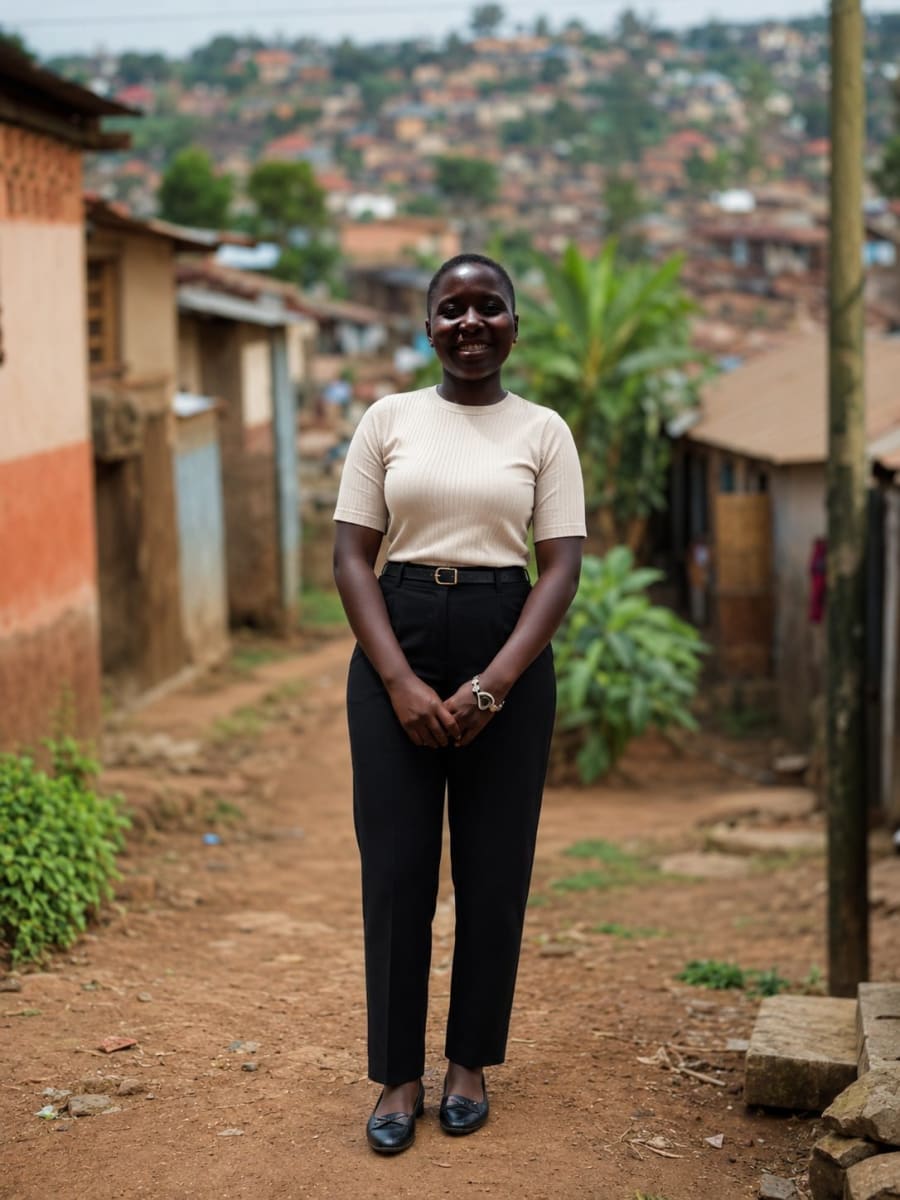
UGX 3,500. That is around what a disposable sanitary-pad pack can cost, Nantaba Norah Jovia says, and in Kisenyi I and II, Kampala's informal settlements, it can be too much for a girl whose family is choosing between food, rent, transport and school needs.
"When she has no pads, she may miss class, use unsafe alternatives, or sit through the day worried and ashamed," she says.
“In my life, it hurts me to see a fellow girl miss school, feel excluded, remain silent, or feel less simply because she cannot afford a sanitary pad pack that costs less than US$1.”
Nantaba Norah Jovia
She has focused on girls in Kisenyi since February 2026, through EmpowerHER. The project started elsewhere. "EmpowerHER did not begin as a large organisation or a polished plan," she says. It began in 2024, when she was in Senior Six at Mityana Trinity College, with three colleagues. "We saw girls carrying adult problems alone," she says.
That year the IB Global Youth Action Fund backed the team with $2,500. She says they mobilized $500 more from community leaders and moved from talking among themselves to holding real sessions. They worked at Mityana Trinity College, Kabayenga LCI Village and Mityana City Hall, and connected with Mityana Main Hospital around sexual and reproductive health information and support.
That work taught her something important, she says: "a girl can hear a good message today, but when she cannot afford a basic pack of pads tomorrow, the message is not enough."
Her next move is a small reusable-pad production and girls' safe-space point in Kisenyi. "Not a big office and not a one-day giveaway," she says. She plans a practical place where girls learn to sew reusable pads, make pads for their own use, access low-cost or free kits when they truly cannot pay, and sit in peer groups to talk safely about periods, school, safety and where to seek help.
Sessions will be small. She wants each girl to learn properly, and girls will be encouraged to return as peer supporters after they gain confidence. The conversations, she says, will not replace professional health or protection services.
"I am not trying to solve all of Kisenyi's problems at once," she says. "I want a girl to have something she can use or make herself, a skill she can pass on, and a place where she is never ashamed to ask for help."