
Youth Leadership
Students in 11 countries talk through one SDG a month
Katie Ngo founded the Global Students Action Council, which now has chapters in 11 countries and has engaged more than 1,100 students across 16 countries through monthly online roundtables on the Sustainable Development Goals.
At the latest meeting, on SDG 2, Zero Hunger, students "shared stories about supermarkets in their countries, ideas to reduce poverty, and brainstormed how to personally minimise food waste". That is what an SDG roundtable looks like. Students from chapter schools in different countries meet online, and Katie Ngo facilitates a discussion that explores a different Sustainable Development Goal each month.
Katie, a student at Glenunga International High School in Adelaide, founded the Global Students Action Council (GSAC) to engage young people in advocacy for the United Nations' Sustainable Development Goals. It began with chapters in 5 schools and 3 countries. It has grown. The GSAC now has chapters in 11 countries and has engaged more than 1,100 students across 16 countries.
“Being a community leader is not only rewarding because of the service and impact, but it has also been a way of finding agency.”
Katie Ngo
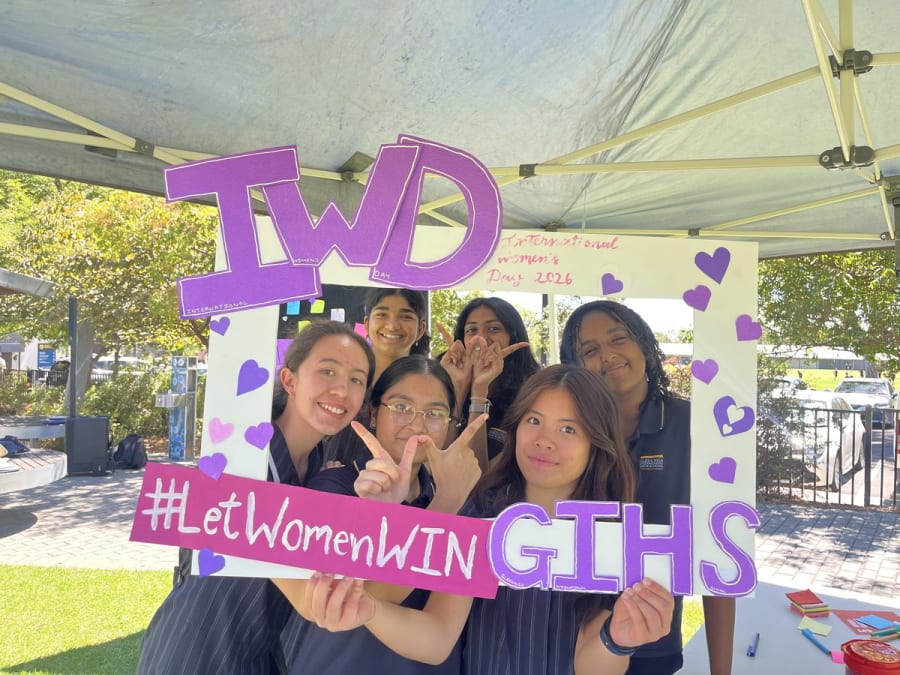
"My goal is to facilitate learning through dialogue and promote active engagement with global issues in a way that is not intimidating, but organic and fun," she says. From the meetings, the chapters plan initiatives in their own schools, such as celebrating International Women's Day and fundraisers for Earth Day. The council has also presented a report to school executive leaders on student suggestions for more sustainable policies.
As an IB student, she says, she has noticed two things about young people: they "love to connect with students overseas", and they "want to engage in global issues, but don't know how to".
The GSAC is important to her, she says, because of where she started from. "I used to be disconnected from my community and lost on how to impact issues as just a teenager: everything felt inaccessible," she says. That was until she joined the South Australian Youth Forum, which she describes as the largest youth advocacy organisation in her state, and saw "the power of dialogue, as parliamentarians and researchers found value in our input".
She took that, she says, "to an international level, in a way tailored to curious high schoolers like me."