
Education Access
Tutoring sessions that pay out in planted trees
Javiera Sepúlveda is building Tutoralia, a peer-tutoring platform that turns each session into virtual seeds meant to become real trees, in a country where she says only 18% of students in vulnerable situations have had access to external tutoring.
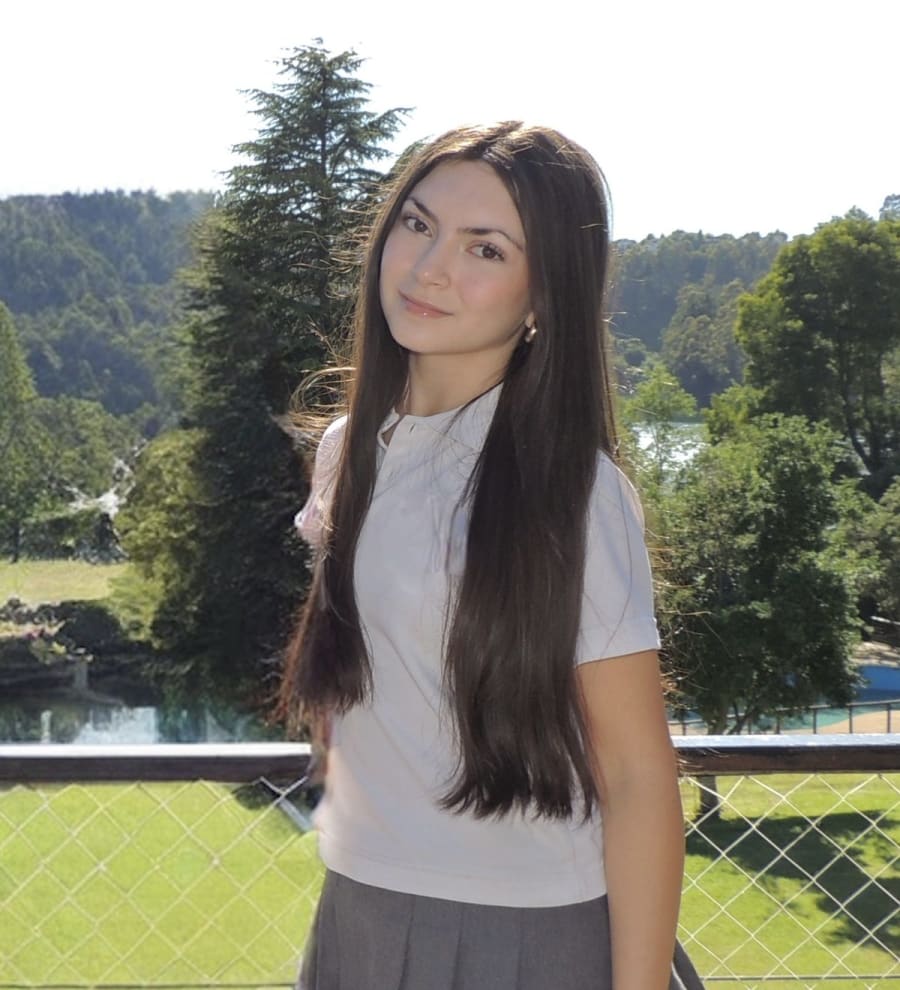
In Chile, 64% of students in vulnerable situations feel they need extracurricular support. Only 18% have had access to external tutoring. Javiera Sepúlveda cites those figures from the United Nations Development Program and puts the gap plainly: "Personalized education, which should be a right, is today a privilege."
Her answer is Tutoralia, a peer-tutoring digital platform where high-achieving students become tutors for those who need academic support, offering low-cost group classes as an alternative for students who cannot afford private tutoring with teachers. For every tutoring session conducted or study material shared, users accumulate virtual seeds. She intends those seeds to be redeemable for trees planted in the real world, through a future alliance with reforestation organizations.
“The future is built on the roots of education.”
Javiera Sepúlveda
She connects the two problems herself. Deforestation, she says, citing the National Congress Library, is the second leading cause of climate change worldwide. "Two distinct crises, one educational and one environmental, that require a common solution: purposeful action."
A working prototype exists. Users register as tutors or students, share materials on Arbolaria, the project's collaborative note-sharing platform, and form study groups led by certified tutors.
During a validation phase, she and her team surveyed students at various levels to test three hypotheses: that they value a more affordable peer tutoring model, that the environmental component increases their motivation, and that the model is clear and feasible. More than 80% of respondents agreed that Tutoralia effectively solves the problem of access.
She has sized the market too. Chile's National Tutoring Plan reached more than 21,000 students in 2023, and the Ministry of Education set a target of 100,000 students through its tutoring programmes in 2024. Using that as a reference point for the scale of demand, and Tutoralia's target price of up to US$5 per student per session, the platform estimates an initial annual opportunity of approximately US$2 million, assuming four sessions per student per year. In Chile alone, Tutoralia could potentially reach approximately 1.24 million students enrolled in the public school system, according to 2025 Ministry of Education enrolment data.
The plan is for classes to cost less than $5 each, taught in groups by certified tutors. On a global scale, she wants to partner with every school that offers the International Baccalaureate program, because their students need social service projects, which she says "would allow us to offer free tutoring to those most in need."
Her vision fits in one line: "that learning can also be a way to reforest the world."