
Environment and Climate
Over 500 trees planted by young people in Kakuma
Daniel Kabonga Hassan started Kakuma Climate Action after watching children skip school to search for water, and with other young people in the camp has planted over 500 trees.
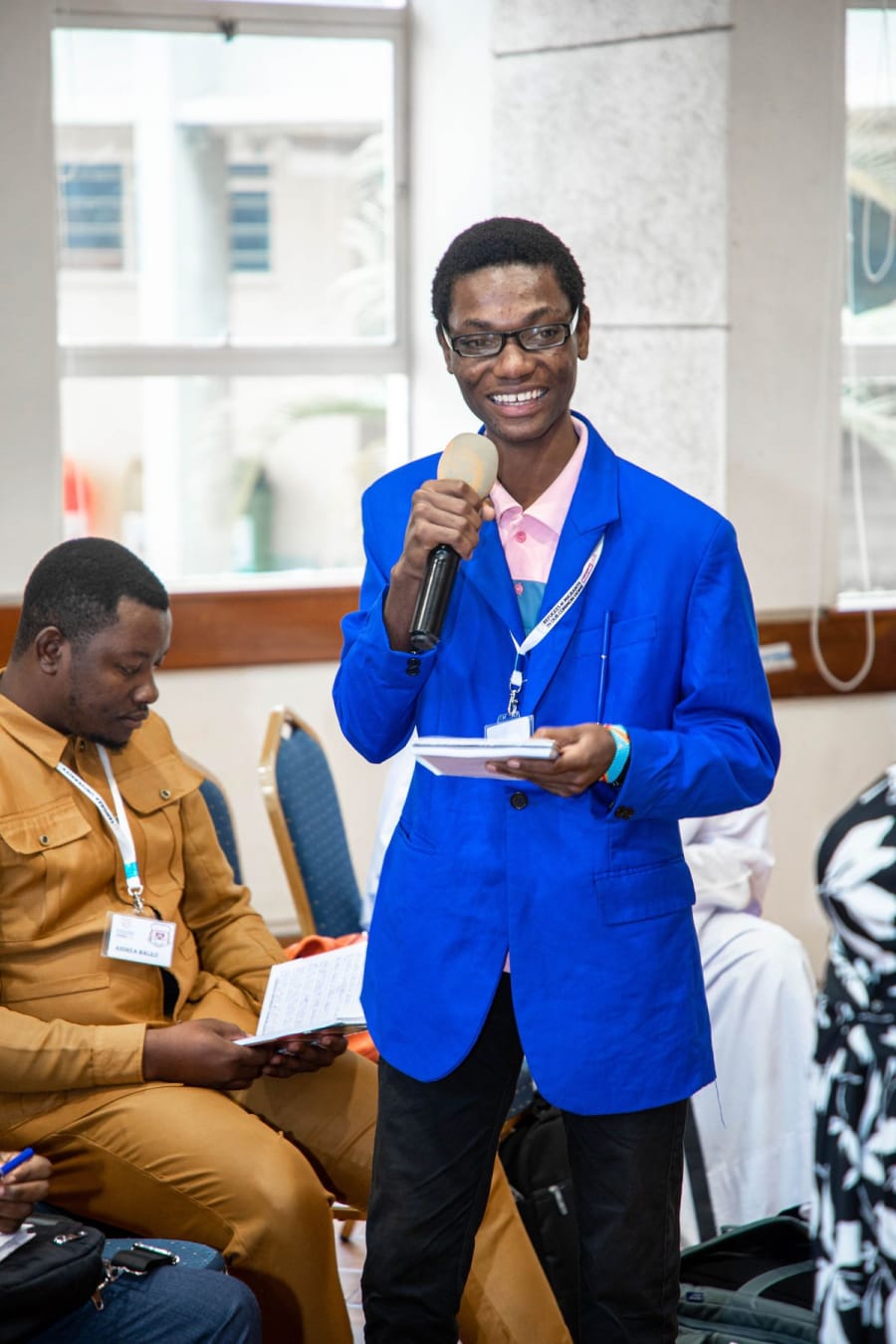
In Kakuma Refugee Camp, Daniel Kabonga Hassan's home, droughts, heat waves and water shortages are now a normal part of life. He has seen the land turn dry and dusty after long droughts. "I’ve watched kids skip school to help their families search for water, and I just couldn’t stand by and do nothing," he says.
Kakuma Climate Action is what he started. He teamed up with other young people in the community, and together they have planted over 500 trees and spread the word about why protecting the environment matters. It was hard at first, he says. Some thought young people could not do much, especially in a refugee camp with so many other problems, and finding seedlings, getting enough water for them and getting volunteers were all big challenges. "Sometimes, it felt like we were barely making progress," he says. "But every struggle just made me want to keep going even more."
“Young refugees are not defined by what they have lost.”
Daniel Kabonga Hassan
They are defined, he says, by "the strength they carry, the ideas they create, and the change they are capable of leading."
The KabongaGreen App is his other project. It is a digital tool, he says, that helps the group keep track of every tree they plant and watch them grow, and he wants it to make it easier to get more people involved in restoring the environment. "I really believe that new ideas shouldn’t be limited by where you come from or whether you’re a refugee," he says.
He is a student at African Leadership Academy. Not long ago he represented his community at the Our Common Home Africa Regional Conference on Refugees and Migrants in Nairobi, where he shared the group's struggles and the solutions they are creating. "It made me even more sure that refugee communities should be seen as partners in solving big problems," he says.
"My dream is to turn this project into a model that other refugee communities can use," he says.